Almost nobody thinks about their boiler until it stops working, which is understandable. It lives in a cupboard, it makes no demands, and for most of the year it is genuinely easy to forget about. The trouble is that the moment it does fail is almost always the coldest, busiest, most inconvenient moment available — and by then the choice of when to deal with it has been taken out of your hands.
Late autumn is the sensible window, and it is worth understanding why.
The January Problem
Heating engineers have a season, and it is brutally predictable. The first proper cold snap arrives, thousands of boilers are asked to work hard for the first time in months, and a significant number of them decline. Demand spikes across the whole country in the same fortnight.
What that means practically is simple: in January you are competing for an appointment, and a routine service drops behind every household with no heating at all — as it should. Book in November and you are scheduling at your convenience rather than queuing in someone else’s emergency.
What an Annual Service Actually Involves
There is a general assumption that a boiler service is somebody glancing at the unit and ticking a form. A proper one is more than that.
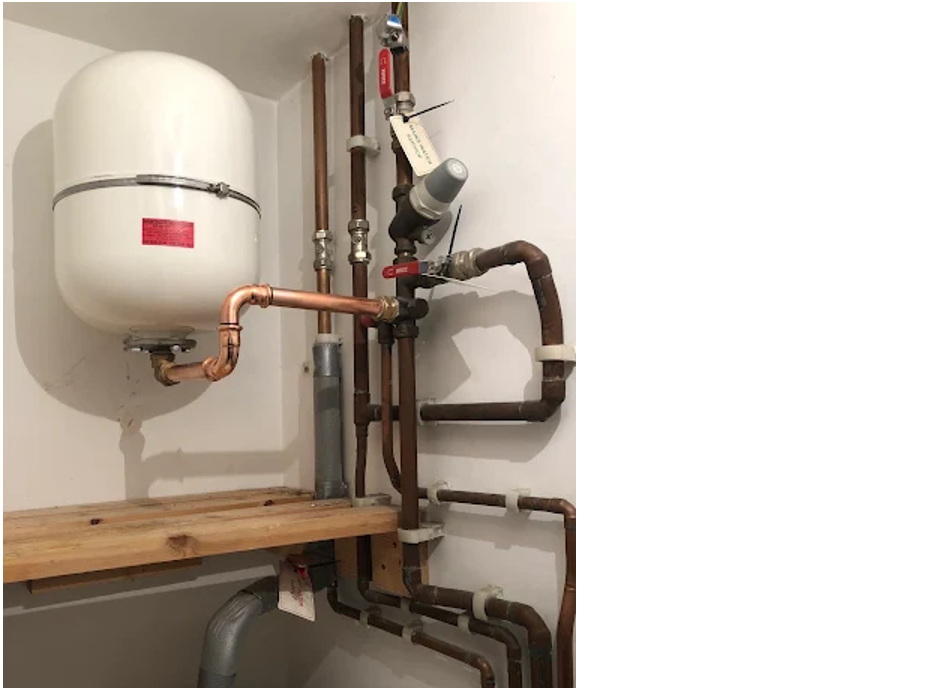
The engineer checks that the boiler is burning correctly and operating at the manufacturer’s intended settings, inspects seals and the heat exchanger, tests the safety devices that are supposed to shut the appliance down if something goes wrong, checks the flue and that it is venting safely, examines system pressure, and looks for corrosion or early signs of wear. On an unvented hot-water cylinder there are additional safety components that need checking in their own right.
The safety element deserves singling out. A gas appliance that is not burning correctly can produce carbon monoxide, which is colourless, odourless and genuinely dangerous. Checking combustion and confirming that the flue is carrying the products of combustion safely outside is not a formality — it is the main reason the annual check exists at all.
Beyond that, the point of a service is less about performance than about catching the small fault before it becomes the expensive one. A worn part found in November is a part. The same part found in January, having failed, is a cold house and an emergency call-out.
The Warranty Point Most People Miss
This one catches householders out regularly. Many boiler manufacturers require an annual service, carried out by a qualified engineer and documented, for their guarantee to remain valid. Skip a year and you may find that the warranty you were counting on for an expensive component is no longer in force — which is a particularly frustrating way to discover the condition exists.
If your boiler is still within its guarantee period, check the manufacturer’s terms and keep the paperwork. And if a service does turn up something that needs attention, it is worth using a firm that also handles boiler servicing in London and repairs together, so a fault found during a service can be dealt with rather than handed on to somebody else.
If You Let the Property, This Is a Legal Duty
For landlords the calculation is different, because the annual check is not a matter of preference.
Under Regulation 36A of the Gas Safety (Installation and Use) Regulations 1998, landlords must ensure an annual gas safety check is carried out on the gas appliances and flues they provide, by a Gas Safe registered engineer. The Health and Safety Executive sets out what follows: existing tenants must be given a copy of the safety record within 28 days of the check being completed, any new tenant must receive a copy before moving in, and the record must be kept for two years. A check may also be carried out up to two months early without moving the original deadline — useful if you are trying to shift a renewal out of the depths of winter.
Landlords are separately responsible for arranging maintenance of the pipework, appliances and flues they provide. The HSE notes that no specific timeframe is prescribed for that maintenance, but treats annual servicing as good practice. If you manage several properties, autumn is the obvious moment to bring renewals into line rather than leaving them scattered across the year.
Signs Your Boiler Is Already Asking for Attention
Some faults announce themselves well before they become failures, and they are easy to dismiss because the heating is still, technically, working.
Worth paying attention to: pressure that keeps dropping and needs topping up repeatedly, which usually means a leak somewhere in the system; banging, gurgling or whistling noises that weren’t there last winter; radiators that are hot at the bottom and cold at the top, or cold altogether; hot water that runs lukewarm or fluctuates in temperature; the boiler short-cycling, firing up and shutting down repeatedly; and any error code, even an intermittent one. None of these is a reason to panic. All of them are a reason to get it looked at while you still have the luxury of choosing when.
What a Service Doesn’t Do
It is only fair to be straight about this: an annual service is not insurance, and it does not guarantee that nothing will go wrong. Components fail, sometimes without warning and sometimes in a boiler that was serviced six weeks earlier. Anyone promising otherwise is overselling it.
What it does is substantially reduce the odds of the avoidable failure, keep the appliance operating safely, satisfy the manufacturer’s guarantee conditions, and give you a documented picture of the system’s condition. That is a reasonable return for an hour’s work once a year, and the safety element alone justifies it — a badly burning gas appliance is not a problem to leave unexamined.
Booking It Properly
Two things are worth insisting on. First, gas work in the UK must be carried out by a Gas Safe registered engineer, and you are entitled to ask to see the card and to check the registration yourself on the Gas Safe Register. It takes a minute and it is the single most useful piece of diligence available to a householder.
Second, ask what the service actually includes and whether there is a call-out charge, before anyone attends. Reputable firms are straightforward about both. Vague answers at the booking stage tend to be a preview of the invoice.
The Easy Version of a Difficult Job
There is no interesting way to describe booking a boiler service, which is precisely why it slips. But the difference between doing it now and doing it in January is the difference between an appointment and a crisis — and the job itself is identical. Maintracts Services has been working across London since 1974, with Gas Safe registered engineers and no call-out charge, covering servicing, repairs and emergencies on the same number.
Put it in the diary this month. Your January self will be glad you did.
.