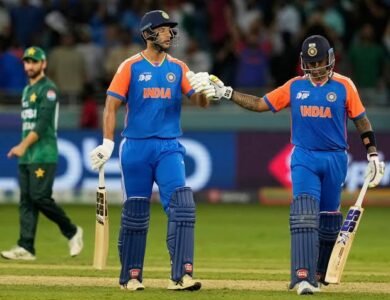
Sachin Tendulkar led reported 2026 estimates of the richest cricketers in the world, followed by MS Dhoni and Virat Kohli. These figures should be treated as estimates rather than definitive financial records: athletes’ private assets, investments, taxes and business stakes are not usually disclosed in full. Still, the rankings offer a useful view of how elite cricket careers can translate into substantial long-term wealth.
The 2026 top 10 by reported net worth
The following ranking uses 2026 estimated net-worth figures. It combines players from different generations, so their routes to financial success are naturally different. Some earned much of their wealth during long international careers, while others built post-retirement roles in coaching, broadcasting, entrepreneurship and commercial partnerships.
| Rank | Cricketer | Country | Reported 2026 estimate |
| 1 | Sachin Tendulkar | India | $170 million |
| 2 | MS Dhoni | India | $125 million |
| 3 | Virat Kohli | India | $120 million |
| 4 | Ricky Ponting | Australia | $75 million |
| 5 | Brian Lara | West Indies | $60 million |
| 6 | Jacques Kallis | South Africa | $48 million |
| 7 | Shane Warne | Australia | $45 million |
| 8 | Virender Sehwag | India | $42 million |
| 9 | Yuvraj Singh | India | $38 million |
| 10 | Rohit Sharma | India | $35 million |
The most striking feature of this list is India’s representation. Five of the 10 players are Indian, reflecting the commercial scale of Indian cricket, the reach of its leading players and the opportunities created by domestic franchise cricket. Australia has two representatives, while the West Indies and South Africa have one each.
Why Sachin Tendulkar sits at the top
Tendulkar’s reported $170 million estimate puts him clearly ahead of the rest of this 2026 list. His standing was built through a lengthy playing career, enduring public recognition, endorsements and business investments. A player’s final position in such a ranking is rarely about match fees alone; longevity and commercial relevance after retirement can be equally important.
His example also demonstrates why net-worth lists should not be confused with a ranking of the best cricketers. Financial outcomes depend on when a player competed, the markets in which they became popular, endorsement opportunities and choices made beyond the boundary. On-field greatness may create the platform, but business activity can shape the eventual value attached to a player’s name.
Dhoni and Kohli: two different commercial profiles
MS Dhoni was placed second on the 2026 estimates at $125 million. The former India captain’s reported wealth has been associated with sports ventures, endorsements, agriculture projects and business investments. His profile shows how a successful playing career can continue to create value through a recognisable public identity and diversified interests.
Virat Kohli ranked third at an estimated $120 million. In addition to cricket contracts, his reported income streams have included brand partnerships, fitness ventures, fashion businesses and social-media influence. Kohli represents the modern international cricketer whose commercial reach extends across sport, lifestyle and digital audiences.
For supporters, following a leading player’s career involves more than watching scorecards. Match context, form and team combinations drive much of the conversation around the game, which is why tools such as Cricket Match Prediction have become part of the wider discussion for fans assessing upcoming contests.
Former captains with enduring value
Ricky Ponting ranked fourth, with a reported estimate of $75 million. After captaining Australia, he remained involved in the sport through coaching, broadcasting and franchise-league work. Those roles are an important reminder that retirement from international cricket does not necessarily end a player’s earning potential.
Brian Lara followed at $60 million. His reputation as a West Indies great has supported media appearances, endorsements and cricket-related work beyond his playing days. Players of Lara’s generation often entered a different commercial environment from modern stars, but a powerful legacy can still provide substantial opportunities long after an international career ends.
Jacques Kallis was listed sixth at $48 million. Widely regarded as one of cricket’s finest all-rounders, he developed a post-playing career through coaching and consultancy roles. Such work can be particularly valuable because it draws directly on technical experience rather than relying solely on public appearances or endorsements.
The impact of media, coaching and personal brands
Shane Warne was placed seventh at a reported $45 million. His financial legacy was linked not only to his achievements as an Australian leg-spinner but also to work as a commentator, mentor and cricket ambassador. Broadcasting gives former players a way to remain visible to large audiences, while their analysis can carry authority built over years of elite competition.
Virender Sehwag, at an estimated $42 million, illustrates another route. His profile after playing included commentary, digital content, business activity and endorsements. The growth of digital platforms has broadened the ways retired players can communicate with supporters and maintain a public presence without holding a formal coaching or broadcasting role.
Yuvraj Singh was ninth in the ranking on $38 million. His move into entrepreneurship and investment was identified as a key part of his financial portfolio. Business investments can have outcomes that differ sharply from cricket contracts, which is another reason estimates should be read with care rather than as exact measures of personal wealth.
Rohit Sharma and the value of active players
Rohit Sharma completed the 2026 top 10 at a reported $35 million. His earnings were linked to international cricket, sponsorship agreements and endorsement partnerships. Active players can build considerable commercial value while competing, particularly when they combine performance, captaincy responsibilities and wide public recognition.
However, an active player’s reported net worth can move more quickly than that of a retired player. New contracts, changing partnerships, business decisions and playing commitments may alter the picture over time. A single annual list is therefore better understood as a snapshot of reported estimates than as a permanent financial scoreboard.
What creates cricket wealth?
The ranking highlights several recurring sources of wealth in cricket. International contracts remain important, but they are only one element. Franchise T20 leagues have added another major opportunity, while endorsements can reward players who have strong visibility beyond dedicated cricket audiences.
Business investments, real estate ventures, personal brands, merchandise, social-media partnerships and broadcasting can all play a part. For established former players, coaching and consultancy roles offer the chance to convert cricket knowledge into a second career. The mix differs for every individual, and that difference explains why players with similar on-field records may have very different reported fortunes.
Reading net-worth rankings carefully
Net-worth totals are inherently difficult to verify because they aim to estimate the value of assets after liabilities, rather than simply adding up salaries. Public reports may use different assumptions about property, company stakes, investments or endorsement income. Currency conversions can also make rupee and dollar figures appear inconsistent between lists.
It is sensible, then, to focus on the broad pattern rather than a small difference between two positions. Tendulkar, Dhoni and Kohli formed a clear leading group in the 2026 estimates, while the rest of the top 10 showed the global reach of cricket’s commercial ecosystem across India, Australia, the West Indies and South Africa.
The 2026 ranking places Tendulkar first, with Dhoni and Kohli close behind in cricket’s highest-earning group. More importantly, it shows that major cricket wealth usually comes from a long combination of performance, popularity and carefully developed work beyond playing days.