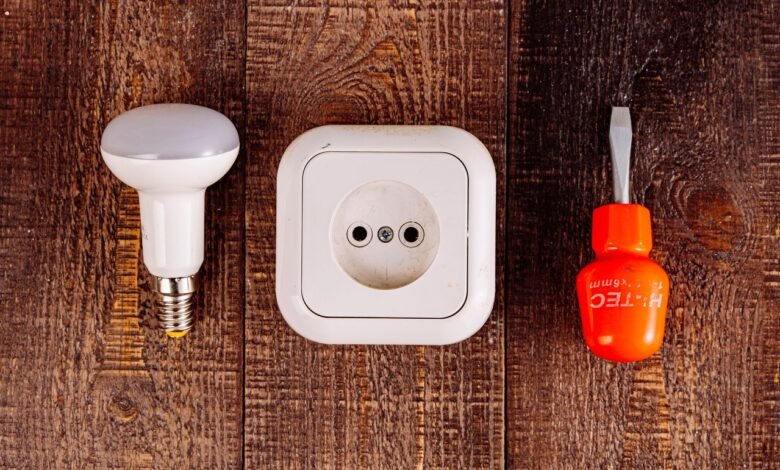
Putney is home to a distinctive mixture of Victorian terraces, Edwardian properties, converted mansion flats, riverside apartments, and modern residential developments. As these properties evolve through renovations and changing household needs, their electrical systems often need to evolve with them. Experienced Electricians Putney can help homeowners, landlords, and property managers address everything from electrical inspections and rewiring to lighting upgrades, consumer units, and electric vehicle charging.
For residents across SW15 and nearby parts of southwest London, understanding the most common electrical improvements can make it easier to maintain a property safely and plan future upgrades.
Why Electrical Systems Need to Evolve With Your Home
The electrical demands placed on a modern home are very different from those of previous generations.
A typical Putney property may now have multiple computers, televisions, kitchen appliances, washing machines, tumble dryers, heating controls, networking equipment, smart-home devices, and chargers operating throughout the day.
Older properties may not have been designed for this level of demand. Renovations can also introduce additional requirements. A kitchen extension, loft conversion, garden office, new bathroom, or converted room may require dedicated circuits and additional power points.
Rather than simply adding new equipment to an existing system, homeowners should consider whether the underlying installation is capable of supporting the additional load safely.
Electrical Warning Signs Putney Homeowners Should Notice
Electrical problems do not always result in an immediate power failure. Some warning signs develop gradually and can indicate that an installation needs professional attention.
Common signs include:
- Frequently tripping circuit breakers
- Flickering or dimming lights
- Buzzing or crackling from switches
- Burning smells around sockets
- Warm or discoloured electrical accessories
- Loose sockets or switches
- Damaged or exposed cables
- Repeated power interruptions
- An outdated fuse board
- A shortage of suitable sockets
A circuit breaker that repeatedly trips should not simply be reset without investigating the reason. It may be responding to an overload, defective appliance, short circuit, or another electrical fault.
Professional fault finding can help identify the actual cause and prevent recurring problems.
EICR Testing for Putney Properties
An Electrical Installation Condition Report, commonly known as an EICR, provides a structured assessment of an existing electrical installation.
An inspection can examine fixed wiring, sockets, switches, protective devices, earthing, bonding, and the consumer unit. Testing can identify deterioration, defects, or potentially unsafe conditions that may not be visible during everyday use.
An EICR can be particularly useful when:
- Buying an older Putney property
- Preparing a rental property for tenants
- Managing multiple residential properties
- Planning a major refurbishment
- Investigating recurring electrical problems
- Checking an installation that has not been assessed for many years
For landlords in England, electrical installations in privately rented properties must generally be inspected and tested at least every five years by a competent person, subject to the applicable requirements and the previous report’s recommendations.
An EICR should therefore be viewed as more than paperwork. It provides useful information about the condition of the electrical installation and can help property owners decide what needs attention.
Rewiring Older Homes in Putney
Putney’s older housing stock can present particular challenges when electrical installations have been modified repeatedly.
A Victorian or Edwardian property may have experienced several renovations over its lifetime. Different owners may have added sockets, lighting, extensions, appliances, and other electrical equipment at different stages.
In some circumstances, a full rewire may be appropriate. In others, a partial rewire or targeted improvement may provide a more suitable solution.
The decision should be based on the condition of the installation rather than simply the property’s age.
Planning Electrical Work During Renovations
Major refurbishment is often a practical opportunity to review the electrical system.
If walls, ceilings, floors, or kitchens are already being altered, electrical work can potentially be coordinated with the wider renovation. This may make it easier to install new circuits, additional sockets, lighting points, and dedicated supplies before finishing work is completed.
Forward planning is particularly useful for home offices, garden rooms, media spaces, kitchens, and other areas where electrical demand is likely to increase.
Consumer Unit Upgrades and Electrical Protection
The consumer unit is one of the most important components of a domestic electrical installation. It distributes electricity to individual circuits and incorporates protective devices.
Older properties may still have ageing fuse boards or installations that lack features expected from modern electrical systems. An upgrade may be appropriate where an existing consumer unit is outdated, additional circuits are being installed, or inspection findings identify concerns.
Modern consumer unit installations can incorporate protective technologies such as RCDs and RCBOs, depending on the design and requirements of the installation.
However, replacing the consumer unit does not automatically resolve problems elsewhere. The condition of the wiring, circuits, earthing, bonding, and connected equipment should also be considered.
A properly planned upgrade therefore begins with an assessment of the complete installation.
Lighting, Sockets and Smart-Home Improvements
Electrical improvements can also make a home more practical without requiring a complete rewire.
Lighting is one of the most noticeable areas where modern electrical design can improve everyday living. LED fittings can be used for kitchens, bedrooms, living rooms, hallways, gardens, and exterior areas, while dimming and smart controls can provide greater flexibility.
Additional sockets are equally useful. Older properties may have limited power points compared with the number of devices used by modern households.
Homeowners may also want to introduce:
- Smart lighting controls
- Automated heating controls
- Security lighting
- Garden power
- Home networking points
- CCTV and door-entry systems
- Smoke and heat detection
- Home-office circuits
Smart-home installations are most effective when the electrical infrastructure is considered as a complete system rather than adding individual devices without assessing the existing setup.
EV Charging and Future Energy Requirements
Electric vehicles are becoming increasingly relevant to London households, particularly where properties have driveways, garages, or suitable off-street parking.
Installing an EV charger requires more consideration than simply connecting a charging unit to an available socket. The electrical supply, consumer unit, cable route, protection, charger position, and existing household demand all need to be considered.
A professional assessment can also be valuable for homeowners considering other energy technologies in the future.
For example, a property may eventually use solar panels, battery storage, heat pumps, electric heating, or additional high-demand appliances. Planning these requirements together can help create a more adaptable electrical system.
Putney homeowners who are upgrading their property today may therefore benefit from considering how their electrical requirements could change over the next five or ten years.
Choosing Qualified Electricians for Electrical Work in Putney
Choosing an electrical contractor should involve more than comparing quotations.
Qualifications, relevant experience, appropriate insurance, certification, communication, and knowledge of the type of property are all important considerations.
Before arranging work, homeowners can ask:
- Is the electrician appropriately qualified for the proposed work?
- Do they have experience with similar Putney properties?
- Will the completed installation be tested?
- What certification will be provided?
- Is the quotation clear about the work included?
- Are additional works explained before they are undertaken?
- Can the contractor provide relevant professional credentials?
Local experience can be especially valuable in Putney because the area contains such a broad range of property types, from period terraces and mansion flats to newer riverside developments.
Homeowners looking for professional electrical assistance can consider Electricians Putney when arranging electrical work in the local area.
Conclusion
A reliable electrical installation is an essential part of a safe and comfortable home. In Putney, where older properties sit alongside modern developments and extensively renovated houses, electrical requirements can differ significantly from one property to another.
Regular inspections, professional fault finding, appropriate consumer unit upgrades, carefully planned rewiring, improved lighting, additional circuits, and EV charging installations can all contribute to a more capable electrical system.
The most effective approach is to look beyond individual electrical problems and consider the property as a whole. By assessing current needs while planning for future technology and energy demands, Putney homeowners can create electrical systems that are safer, more practical, and better suited to modern London living.
READ ALSO: The Role of Technology in Successful Business Events