PTSD After a Traumatic Event: Understanding the Symptoms, Causes, Recovery, and Your Legal Rights

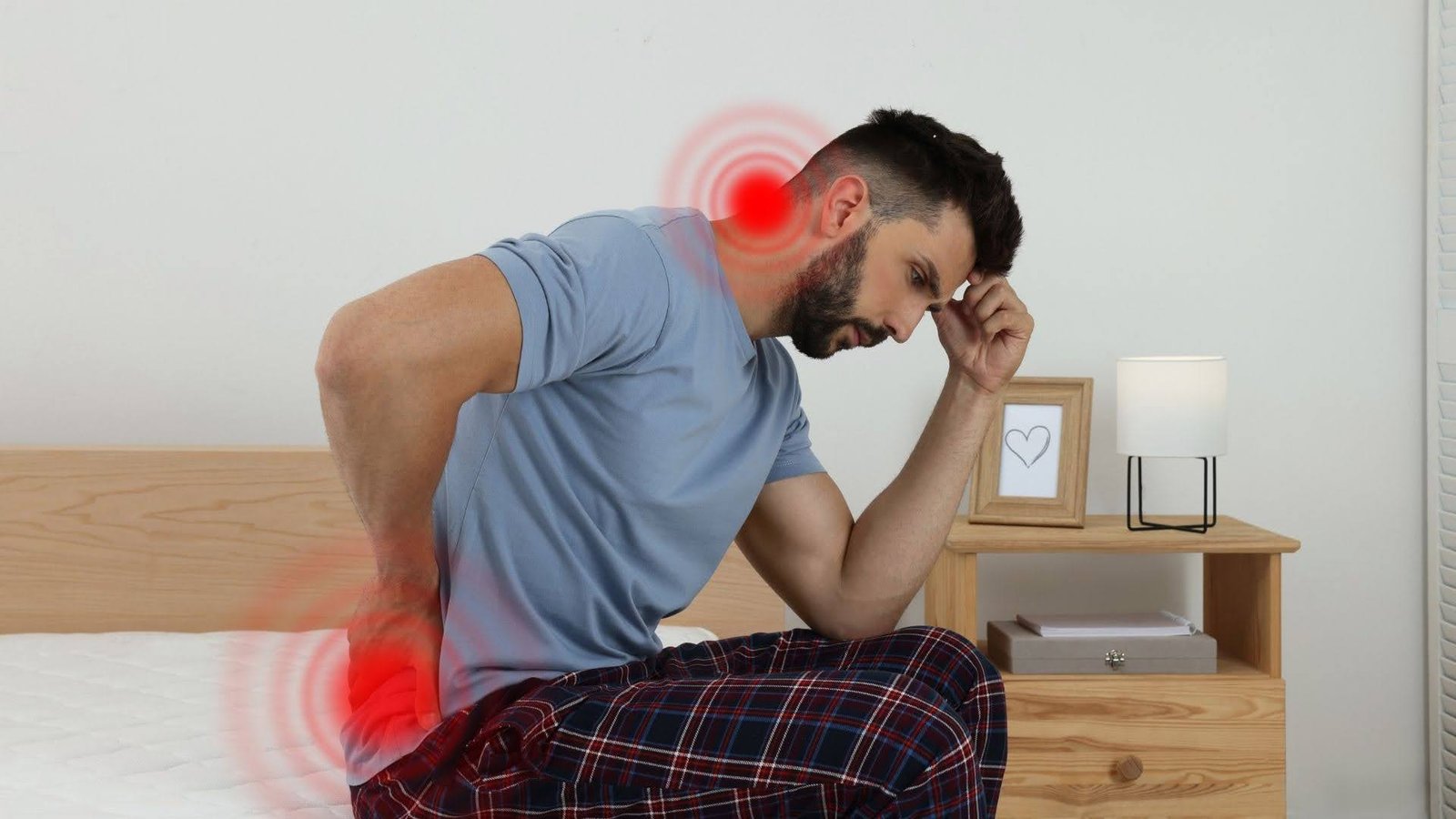
A traumatic experience can change a person’s life in ways that are not always immediately visible. A serious accident, physical assault, workplace incident, or another frightening event may leave someone struggling with emotional distress long after the situation has ended. For some people, these experiences lead to post-traumatic stress disorder (PTSD), a mental health condition that can affect relationships, employment, sleep, and everyday activities. Understanding PTSD is an important first step toward finding appropriate treatment, and, where another party’s actions contributed to the trauma, exploring possible legal options.
PTSD is more than feeling upset or anxious after a difficult experience. It is a recognized mental health condition that can develop when someone experiences or witnesses a traumatic event. Although many people gradually recover with time and support, others continue to experience distressing symptoms that interfere with daily life. PTSD can affect adults and children, and it does not reflect a person’s strength, character, or ability to cope.
What Causes Post-Traumatic Stress Disorder?
PTSD can develop after exposure to an event involving actual or threatened death, serious injury, or sexual violence. Common examples include car accidents, violent attacks, domestic abuse, military combat, natural disasters, serious workplace accidents, and witnessing a traumatic incident involving another person.
Not everyone who experiences trauma develops PTSD. Several factors may influence whether the condition occurs, including the severity and duration of the event, previous traumatic experiences, limited emotional support, and existing mental health difficulties. A person’s response is individual, so two people who experience the same incident may have very different reactions.
In situations where trauma follows an accident, assault, or another incident involving possible negligence, legal guidance may also become important. Affinity lawyers can be a starting point for learning about legal services, while people dealing with ongoing physical symptoms alongside emotional distress may also wish to explore the work of fibromyalgia claims lawyers where a fibromyalgia-related claim is relevant. The legal options available will depend on the facts, medical evidence, and jurisdiction.
Recognizing the Common Symptoms of PTSD
PTSD symptoms can begin shortly after a traumatic event or appear months later. They may also change in intensity over time. A qualified healthcare professional can assess symptoms and determine whether they meet the criteria for PTSD.
1. Intrusive Memories and Flashbacks
Some people experience unwanted memories, vivid flashbacks, or recurring nightmares about the traumatic event. A sound, smell, location, or conversation may trigger distress and make the person feel as though the incident is happening again.
2. Avoidance
Avoidance is another common symptom. Someone may deliberately stay away from places, people, conversations, or activities that remind them of what happened. For example, a person involved in a serious road accident may become extremely uncomfortable traveling by car.
3. Negative Changes in Mood and Thinking
PTSD can affect how people view themselves, other people, and the world around them. They may experience persistent guilt, shame, fear, emotional numbness, or difficulty feeling positive emotions. Some individuals withdraw from friends and family because social interaction feels overwhelming.
4. Increased Alertness and Reactivity
A person with PTSD may feel constantly on guard, become easily startled, struggle to concentrate, or experience irritability and sleep difficulties. This heightened state of alertness can make ordinary situations feel threatening and exhausting.
These symptoms can affect work performance, family relationships, and personal independence. If they persist or interfere with daily life, seeking professional help is important.
How Can You Overcome PTSD?
Recovering from PTSD is possible, although the process may take time. There is no single solution that works for everyone. Treatment should be based on an individual’s symptoms, circumstances, and needs.
Seek Professional Mental Health Support
A doctor, psychologist, or other qualified mental health professional can assess symptoms and recommend suitable treatment. Evidence-based approaches may include trauma-focused cognitive behavioral therapy (TF-CBT), cognitive processing therapy, prolonged exposure therapy, or eye movement desensitization and reprocessing (EMDR).
Some people may also benefit from medication prescribed and monitored by a healthcare professional. Treatment decisions should always be made with a qualified provider rather than through self-medication.
Build a Supportive Daily Routine
Regular sleep, balanced meals, gentle physical activity, and consistent daily habits can support general well-being. Relaxation techniques, breathing exercises, and mindfulness may also help some people manage stress. These strategies are not substitutes for professional treatment, but they can complement a recovery plan.
Stay Connected With Trusted People
Trauma can make people feel isolated, but supportive relationships can play an important role in recovery. Speaking with a trusted friend, family member, or support group may help someone feel understood. It is equally important to respect personal boundaries and avoid pressuring anyone to discuss traumatic experiences before they feel ready.
Be Patient With the Recovery Process
Recovery rarely follows a straight line. Some days may feel easier than others, and certain reminders may temporarily increase symptoms. Progress should be measured over time rather than by expecting immediate improvement. If symptoms become overwhelming or someone feels at risk of harming themselves, they should seek urgent professional or emergency support.
How Can a Lawyer Help Someone Living With PTSD?
Although medical professionals provide diagnosis and treatment, a lawyer may help address the legal and financial consequences of the traumatic event. This can be particularly important when PTSD develops following an accident, assault, workplace incident, or another situation in which someone else may have legal responsibility.
Explaining Potential Legal Rights
Affinity lawyers can review the circumstances of the incident and explain whether there may be grounds for a personal injury claim or another legal action. This may involve examining negligence, liability, available insurance coverage, and the applicable legal deadlines.
Not every traumatic experience creates a legal claim. The ability to pursue compensation depends on the evidence and the relevant laws. A legal professional can help clarify these issues before a person decides how to proceed.
Organizing Medical Evidence
Medical documentation may be important when establishing the connection between a traumatic incident and subsequent psychological difficulties. Depending on the case, relevant records may include medical assessments, therapy notes, treatment plans, prescriptions, and reports from qualified specialists.
A lawyer can help identify the documentation needed to support a claim and explain how medical evidence may be considered during the legal process. They should not replace a healthcare professional’s role in diagnosing or treating PTSD.
Assessing Financial and Personal Losses
PTSD can affect a person’s ability to work, maintain relationships, and manage everyday responsibilities. Depending on the jurisdiction and circumstances, a claim may involve consideration of medical expenses, lost income, reduced earning capacity, rehabilitation costs, and non-economic harm such as pain and suffering.
An attorney can help assess which losses may be legally recoverable and explain the evidence needed to support them. Compensation is never automatic, and the outcome depends on the specific facts of the case.
Managing Communication and Legal Procedures
Legal proceedings can create additional stress for someone already dealing with PTSD. A lawyer may help by handling correspondence, communicating with insurers or opposing representatives, preparing documents, and explaining each stage of the process.
Having someone manage these responsibilities can make the process more organized and allow the individual to focus more attention on treatment and recovery.
The Importance of Understanding Related Health Conditions
Some people experience PTSD alongside other physical or psychological difficulties. Chronic pain, sleep disturbances, anxiety, and depression may occur at the same time, although each condition requires its own assessment.
Fibromyalgia, for example, is a chronic condition commonly associated with widespread pain, fatigue, and sleep problems. It is not the same as PTSD, and one should not automatically assume that either condition causes the other. However, when someone experiences both conditions after a traumatic event, healthcare professionals may need to consider their combined impact on daily functioning.
If a legal claim involves multiple health conditions, accurate medical records and appropriate specialist opinions can help explain the individual’s circumstances. Legal advice can then clarify whether those conditions are relevant to a potential claim.
Finding the Right Balance Between Recovery and Legal Action
Pursuing legal options and focusing on mental health recovery do not have to be competing priorities. However, it is important to avoid allowing a legal dispute to become the center of the recovery process. Treatment, emotional support, and personal well-being should remain priorities.
Anyone considering legal action should seek advice promptly because limitation periods and procedural requirements can restrict how long a person has to bring a claim. These rules differ between jurisdictions, so advice should come from a lawyer qualified to handle the relevant type of case and location.
For readers interested in learning more about the legal services available for individuals and families, Spark Daily’s guide to Brown Turner Ross practice areas provides an overview of areas such as personal injury, employment law, and civil litigation.
Final Thoughts
Post-traumatic stress disorder can affect almost every part of a person’s life, but effective treatment and appropriate support can make recovery possible. Recognizing the symptoms, understanding potential causes and seeking professional mental health care are essential steps toward regaining a sense of stability.
When PTSD follows an incident that may involve another party’s legal responsibility, consulting an experienced lawyer can also help clarify available rights and options. Medical professionals can guide the recovery process, while legal professionals can address questions about evidence, liability, and possible compensation. With the right support, people living with PTSD can work toward better health, greater confidence, and a more secure future.
READ ALSO: Holiday Gift Packaging for Small Businesses (2026): What Actually Works