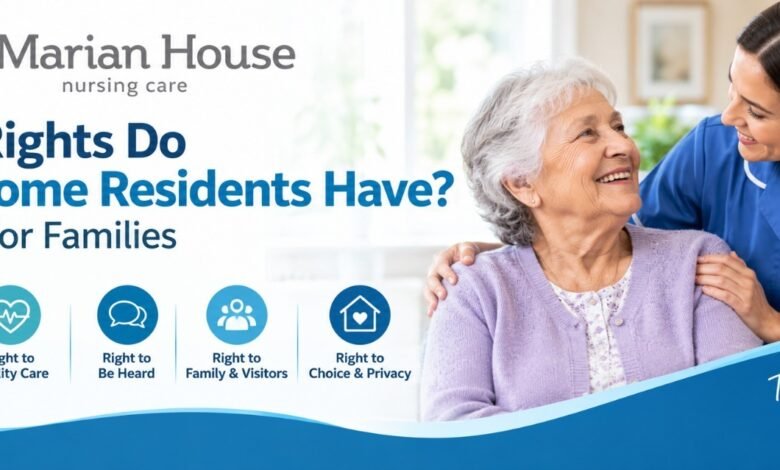
What Rights Do Care Home Residents Have? A Guide for Families
Deciding about your family member for their betterment sometimes makes you feel guilty. One of the decisions is to send a loved one to a care home. Most families ask themselves many times before the final decision: Will they treat my parents/ family members with kindness when I am not there?
Here are some common concerns that are usually the basis of confusion. Moving into residential or nursing care doesn’t switch off a person’s independence and rights. Mum still has her favourite breakfast, made her way. Dad still decides whether he’s joining the party or staying in with the pet.
If you’re weighing up care homes Sutton Coldfield, knowing what these rights look like day to day will help you ask the right questions when you visit.
Dignity and Respect Come First
There is dignity and it’s more about the little things. Knocking before coming in. Adopting the name that someone prefers, such as Margaret, Maggie or Mrs Lewis. She takes two sugars and he doesn’t like to be rushed.
Good care regards the individual rather than the needs. That means respecting:
- Daily routines and personal choices
- Cultural and religious beliefs
- Preferred names and ways of communicating
- Hobbies, interests and life history
- Relationships with family and friends
A resident should never be a chore to-do item.
Residents Keep a Say in Their Own Decisions
Independence doesn’t end at the front door. A quality care home allows residents to take control of what an ordinary day could look like if it were their own:
- Routine: when to get up, rest or join in
- Meals: what they eat, including dietary needs and favourites
- Clothing: what they wear, from cardigan to best shoes
- Activities: which hobbies and social events they take part in
- Healthcare: being included in conversations about treatment
For some of its residents, including people with dementia, some choices might be more difficult. The Mental Capacity Act 2005 starts from the position that every adult can make their own choices unless it’s shown otherwise. If a person is not able to make a specific decision, a decision will be made on their behalf, which should be in their best interests, and the person should be consulted as far as possible.
Privacy, Belongings and Confidentiality
A door to close is everyone’s right. People are entitled to privacy and privacy in service provision, irrespective of their age or need for care. In practice, that includes:
- Privacy during personal care
- Confidential handling of medical information
- Private conversations and visits with family
- Displays respect for personal belongings
- Proper handling of money and property
Having an inspection of the home with a resident’s own furniture, photos and keepsakes. Looks are less important than they are.
Protection From Abuse and Neglect
All residents are entitled to enjoy a safe environment. Abuse isn’t always obvious. It can look like:
- Physical harm
- Emotional distress
- Verbal mistreatment
- Financial exploitation
- Failure to meet own or healthcare needs.
A good home is ready to listen and take action on the conversation. When you run into defensiveness, then consider that a piece of information.
The Right To Understand The Care Plan
As a family, you have the right to have the information about your relative’s personal care plan and plan changes that includes
- Their health and wellbeing
- The available activities
- Any fees in relation to the care
- The home’s policies
If your relative requires nursing care Sutton Coldfield, make sure to ask who the registered nurses are, how often the plan is reviewed and how you will be informed of changes. Any nursing home that is worth considering will respond with a resounding yes.
Raising Concerns Without Worry
A responsible provider has a complaints procedure that works and values feedback, rather than attacks. If a concern is not addressed, there are other avenues to pursue besides the home.
Regulatory authorities in England are the Care Quality Commission (CQC), which is there to provide information about issues, but not to make individual complaints. The Local Government and Social Care Ombudsman can investigate, even for those who pay for their own care.
How Families Can Help
Supporting a relative is not a luxury. It is about supporting them to know what choices they have and staying in the room. Practical steps:
- Take notes on significant discussions
- Go to care reviews and read the care plan regularly
- Share routines and preferences, like the tea they take or the music that calms them
- Ask what’s behind any change in care
- Ask if anyone has a Lasting Power of Attorney and what this is for.
Visits are important as well. They will maintain your family member’s connection and you will see minor changes that nursing or staff may not notice.
Choose A Place That Feels Like Home
A good care home is not just a place where an older person lives or is looked after. Once you have an understanding of residents’ rights as well as the rights of awareness as a family member of a resident, you will have a better sense of what that means and the type of questions you should ask when visiting.
When assessing care homes in Sutton Coldfield, consider kindness, open communication and professional care for the individual!