How to Combine Natural Elements and Smart Technology in Modern Home Design
Smart Technology

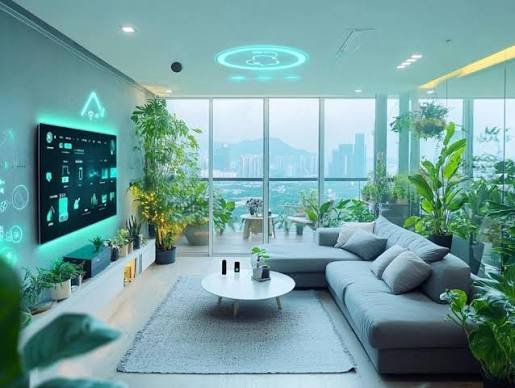
A comfortable home should feel welcoming, practical, and connected to the needs of the people who live in it. Modern technology can make everyday tasks easier, while natural materials and thoughtful decoration create a peaceful atmosphere. When these two elements work together, a home can become more functional without losing its warmth and character.
Many homeowners believe that adding technology means filling rooms with electronic devices, visible wires, and complicated controls. However, a better approach is to choose technology that supports the overall design. Natural textures, balanced lighting, simple furniture, and carefully selected devices can create a space that feels both modern and relaxing.
Start With a Natural Design Theme
Before buying furniture or smart devices, decide how you want your home to feel. Some people prefer a calm environment with soft colors and simple decorations. Others enjoy a more contemporary style with bold furniture and modern lighting.
Natural design often includes wood, stone, cotton, linen, plants, and colors inspired by the outdoors. These elements can make a room feel more comfortable and visually balanced.
You do not need to replace every item in your home to create this atmosphere. A wooden coffee table, textured cushions, woven baskets, or a few indoor plants can introduce natural details without requiring a large budget.
Once you establish your preferred style, select technology that complements it. Devices with simple shapes and neutral finishes are often easier to incorporate into an existing room.
Use Smart Lighting to Create Different Moods
Lighting plays an important role in both interior design and daily comfort. A bright room may be useful during the day, while softer lighting can create a relaxing atmosphere in the evening.
Smart bulbs and compatible lighting systems allow users to adjust brightness and, in some cases, color temperature through an application or voice assistant. You can create different settings for reading, working, watching television, or preparing for sleep.
For example, warm lighting can complement wooden furniture and neutral walls in a living room. Brighter task lighting can help make a kitchen counter or home workspace more practical.
Natural daylight should also remain part of your design plan. Keep windows clear of unnecessary objects and choose curtains that provide privacy without blocking all available sunlight.
The goal is to combine natural and artificial light in a way that supports different activities throughout the day.
Bring Indoor Plants Into Modern Spaces
Indoor plants add color, texture, and a natural appearance to modern interiors. They can soften the look of electronic equipment and make shelves, tables, and empty corners feel more inviting.
Choose plants according to the available light, room temperature, and amount of care you can provide. Some plants need bright indirect light, while others tolerate lower light conditions.
Place plants where they will not block walkways, ventilation openings, or important controls. If you have pets or young children, check whether a plant is safe for them before bringing it into your home.
Technology can also help with plant care. Simple reminders can help you maintain a watering schedule, while suitable moisture sensors may provide information about the soil. However, follow the needs of each plant rather than relying entirely on automated readings.
A few healthy plants can create a more natural atmosphere without making the room crowded.
Hide Wires and Keep Technology Organized
Visible wires and scattered devices can make even a beautifully decorated room look untidy. Cable management is therefore an important part of combining technology with interior design.
Start by identifying where devices are used most often. Keep charging areas near desks or side tables rather than allowing cables to spread across the room.
Cable clips, suitable covers, and organized charging stations can help reduce clutter. For entertainment areas, arrange equipment on a dedicated shelf or inside furniture designed to provide proper ventilation.
Never cover ventilation openings or place heat producing devices inside closed furniture unless the product is designed for that use. Electrical installations should follow local safety requirements.
When choosing smart speakers, routers, and other connected devices, consider their size and appearance. Placing them thoughtfully can make the technology feel like a natural part of the room instead of its main feature.
For additional inspiration, explore these modern home design and smart technology ideas to discover practical ways of bringing style and function together.
Choose Furniture That Supports Everyday Living
Furniture should provide comfort while allowing enough space to move around easily. Before buying a new sofa, table, or storage unit, measure the room and consider how people use it.
Multifunctional furniture can be especially useful in smaller homes. Storage benches, extendable dining tables, and desks with built in storage can help reduce clutter without sacrificing convenience.
Smart technology can complement these choices. A wireless charging station on a side table, for example, can provide a convenient place to charge compatible devices. A well positioned smart speaker can support music playback or voice control without occupying valuable desk space.
However, avoid purchasing technology simply because it is new. Choose devices that solve a real problem or improve a routine you perform regularly.
A successful interior design plan should prioritize comfort and usability rather than the number of gadgets in the room.
Improve Energy Efficiency With Thoughtful Choices
A modern home should be attractive, but it should also use resources responsibly. Energy efficient lighting, suitable insulation, and well maintained appliances can help reduce unnecessary energy consumption.
Smart plugs may allow compatible devices to be scheduled or switched off remotely. Smart thermostats can help manage heating and cooling where compatible systems are installed. Energy monitoring devices may also help identify appliances that consume more electricity than expected.
Before purchasing these products, check compatibility with your existing equipment. Not every appliance should be connected to a smart plug, particularly equipment that requires specialized electrical control or has specific safety instructions.
Simple habits matter as well. Turn off lights in unused rooms, make use of daylight, and maintain heating and cooling equipment according to the manufacturer’s guidance.
Combining efficient habits with suitable technology can make your home more convenient while supporting responsible energy use.
Create a Relaxing Bedroom Environment
The bedroom should support rest and provide a comfortable place to begin and end the day. Natural fabrics, soft colors, suitable window coverings, and uncluttered surfaces can help create a peaceful atmosphere.
Technology should serve this purpose rather than become a source of distraction. Adjustable bedside lighting, a simple alarm, or carefully scheduled climate control may be useful additions.
Avoid filling every surface with electronic devices. Keep charging cables organized and consider reducing screen use before bedtime if it affects your ability to relax.
Blackout curtains or suitable blinds can help control outside light, while a quiet fan or other appropriate climate solution may improve comfort depending on the room and local conditions.
Choose bedroom features according to your personal routine. A peaceful design does not require expensive equipment or complicated automation.
Protect Privacy When Using Smart Devices
Connected home technology can offer convenience, but privacy should be part of the design process. Before installing a camera, speaker, smart display, or other connected product, understand what information it collects and how its settings work.
Use strong, unique passwords for important accounts and enable multifactor authentication when available. Keep device software updated and review application permissions regularly.
Place cameras thoughtfully, particularly in areas where household members or guests expect privacy. Tell guests when recording devices are active where appropriate, and avoid positioning cameras in private spaces.
It is also useful to check whether devices continue operating when internet access is interrupted. Understanding their limitations helps you make better decisions about security and convenience.
A thoughtfully connected home should provide greater control to its occupants rather than create unnecessary concerns.
Make Changes Gradually and Stay Within Budget
You do not need to redesign your entire home at once. Begin with one room and identify the improvements that would make the biggest difference.
For example, you might first organize cables, introduce natural textures, or improve the lighting. Once those changes are complete, consider whether a smart device would provide additional value.
Compare products carefully and account for installation, maintenance, and compatibility costs. A lower priced device may be a good choice if it performs the required task reliably, while an expensive product may offer features you never use.
Keep a consistent design direction as you make improvements. Reusing existing furniture and accessories can reduce waste and help you focus your budget on meaningful upgrades.
Conclusion
Combining natural elements with smart technology allows homeowners to create spaces that are attractive, comfortable, and practical. Plants, natural materials, organized furniture, and balanced lighting can establish a welcoming atmosphere, while carefully selected devices make everyday routines easier.
The best results come from thoughtful planning rather than buying the latest products. Start with your needs, choose technology that fits your lifestyle, and make changes at a manageable pace.
With the right balance of nature, design, and innovation, any home can become a more comfortable place to live.