Trekking in Nepal: Explore Ancient Tibetan Villages, Nar Phu Valley and Manaslu’s Mountain Trails


By the end of this guide you’ll know which of two remote routes suits your time, fitness and curiosity, and what to sort out before you book.
A Different Side of Trekking in Nepal
Most people picture trekking in Nepal as one long climb toward a famous viewpoint. Fair enough, the big names earned their reputation. But there’s another kind of walk, slower and a little stranger, where the mountains are only half the story. You pass stone villages where prayer flags outnumber visitors, cross swaying bridges over glacial rivers, and sit down to butter tea in a house the same family has farmed for generations.
Two routes do this better than most: the Nar Phu Valley Trek and the Manaslu Trek Nepal. One is a short, wild detour into a restricted valley. The other is a full circuit around the eighth-highest mountain on earth. Below you’ll find what each is really like on the ground, which one fits your schedule and legs, and what needs arranging before you go.
Why Look Beyond the Familiar Trekking Routes?
Nepal isn’t one trekking experience. It’s dozens. Lower trails in the south run through rhododendron forest and terraced farmland, while the northern valleys drift into dry, wind-scraped country that looks closer to Tibet than to Kathmandu. Altitude changes everything: what people grow, how they build, even how they greet you.
That northern edge has deep ties to the Tibetan plateau, built over centuries of trade, pilgrimage and marriage. You see it in flat-roofed stone houses, monasteries tucked above the fields, barley and buckwheat plots, and yak herds moving between seasonal pastures. The trails that carried salt and grain are still the trails people walk.
These quieter regions suit experienced trekkers, cultural travelers and anyone who’d rather talk to a villager than queue for a photo. They ask more of you, though. Lodges are simpler, days can be long, and plans sometimes shift with the weather.
Nar Phu Valley Trek: Hidden Settlements in a Restricted Valley
Where Is Nar Phu Valley and What Makes It Different?
Nar and Phu sit in the Manang district, tucked into a side valley off the main Annapurna Circuit corridor. It’s a restricted area, which has kept visitor numbers modest. Because the valley was hard to reach for so long, local customs survived with less dilution than you’d find on busier trails. For trekkers looking to experience this quieter side of the Himalayas, the Nar Phu Valley Trek offers an opportunity to explore traditional Tibetan-influenced villages, ancient monasteries, and landscapes that remain relatively untouched by mainstream tourism.
Ancient Villages, Monasteries and Mountain Life
Phu is the one people remember. Its stone houses cluster against the cliffs, and the whole village seems carved from the same color as the hillside. Nar is larger and busier, with a working monastery and fields climbing the slope. Look for prayer flags, mani walls and the quiet routine of barley farming and herding.
The cultural links to Tibet are real, but don’t assume everyone here is the same as communities across the border. These villages have their own dialects, history and way of doing things. Ask before you photograph people or doorways, walk clockwise around mani walls, and a smile goes a long way.
What the Trekking Experience Involves
You approach through Koto, then follow a river deep into narrow gorges, crossing suspension bridges and cutting along steep trail sections. The walking is high and exposed in places. The big moment is Kang La, a pass at roughly 5,300 metres that connects the valley back toward the main Annapurna route and rewards you with wide mountain views.
This isn’t a trek to book rigidly. Weather, trail conditions and how your body handles altitude can all force changes. Build in a spare day if your schedule allows it.
Manaslu Trek Nepal: Walking Through Remote Himalayan Communities
Understanding the Circuit and Its Geography
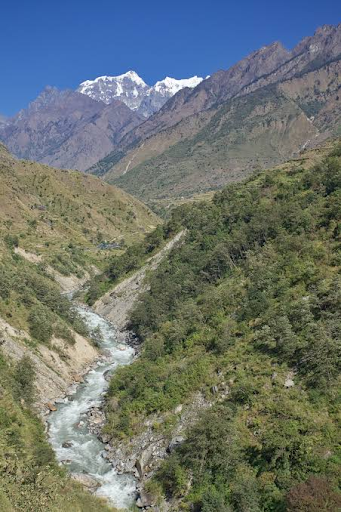
Manaslu rises to 8,163 metres, and the circuit loops around it. The first days follow the Budhi Gandaki River through forest and steep gorges, with landslide-prone sections and plenty of ups and downs. Gradually, the valley opens, the trees thin out, and you enter alpine country with glaciers hanging overhead. For travellers looking to experience this remote Himalayan landscape, the Manaslu Trek Nepal offers an opportunity to explore traditional mountain villages, Tibetan-influenced culture, and dramatic high-altitude scenery along the way.
Tibetan Cultural Heritage Along the Trail
Villages such as Lho, Samagaun and Samdo are where the culture really shows. Expect monasteries, long mani walls, chortens at village entrances, and stone houses with stacked firewood on the roofs. The nearness of Tibet shaped everything: language, religion, food, clothing. Yak herding, barley farming and seasonal trade still hold village life together, and a rest day in Samagaun lets you see it instead of just passing through.
Crossing Larkya La Pass
Larkya La, at about 5,106 metres, is the hard day. It usually starts before dawn and runs long, with a cold, windy crossing and a steep descent on the far side. Acclimatization matters a great deal here, and so does fitness. Weather can turn fast. The reward is a sweep of snowy peaks that’s hard to forget, even when you’re tired.
Nar Phu Valley Trek vs Manaslu Trek Nepal: Which Should You Choose?
Think of Nar Phu as a concentrated, rugged detour and Manaslu as a long, layered journey. Your free time, altitude experience and what you want from the trail should decide it, not which name sounds more impressive.
| Decision Factor | Nar Phu Valley Trek | Manaslu Trek Nepal |
| Best for | Culture seekers wanting a remote, compact adventure | Trekkers wanting a full circuit with a major pass |
| Landscape | Dry gorges, cliffs, high desert-like terrain | River gorges, forest, alpine and glacial scenery |
| Culture | Two isolated villages and monasteries | A chain of villages from lower valleys to high settlements |
| Remoteness | Very remote, restricted area | Remote, restricted area with more settlements |
| Main challenge | Kang La pass, rough trail, altitude | Larkya La pass, long days, cumulative altitude |
| Time needed | Shorter, or added onto an Annapurna trek | Longer, a full standalone journey |
| Pick it if | You have limited time but real altitude stamina | You have more time and want the whole story |
Best Time for Trekking in Nepal: Nar Phu and Manaslu
Spring (March to May)
Temperatures climb, rhododendrons bloom on lower sections, and trails are generally in decent shape. Mountain views can be hazy in the afternoons, but mornings are often lovely.
Autumn (September to November)
This is the favorite for good reason. Skies tend to be clearer, the air is crisp, and walking conditions are stable. It’s also the busiest period, so book lodging and permits well ahead.
Winter and Monsoon
Winter brings snow, bitter cold and the real possibility of a closed pass. Monsoon rain makes trails slippery and landslides more likely on the lower sections. Plan carefully if you’re even considering these seasons, and keep expectations flexible.
Trekking Packages, Permits and Local Guide Arrangements
What a Good Package Covers
A properly organized trip should spell out the itinerary, lodging, meals, a licensed guide, porter support and transportation to and from the trailheads. You can do Nar Phu on its own, tag it onto the Annapurna Circuit, or save Manaslu for a separate trip. Adventure Great Himalaya is one trekking company that can walk you through route options, sort out logistics and help build an itinerary that fits your pace.
Restricted-Area Permits and Conservation Fees
Both treks pass through restricted areas, so special permits are required. You’ll also need the Manaslu Conservation Area Permit for Manaslu and the Annapurna Conservation Area Permit where it applies. Rules, guide requirements and minimum group conditions can change, so confirm everything with your agency before you pay or fly.
Practical Information Before You Start
Preparing Your Body and Gear
Fitness and Acclimatization
Build up cardio and leg endurance for several long days in a row. Hill walks with a loaded pack help. On the trail, gain altitude gradually and use rest days. Know the signs of altitude sickness: headache, nausea, dizziness, unusual tiredness. If symptoms get worse, descend. Don’t push through.
Packing and Essentials
Bring broken-in boots, layers you can add or shed, a waterproof jacket and a warm sleeping bag. Don’t forget sun protection, a water bottle, trekking poles, personal medication and a proper first-aid kit. Temperatures swing hard, so pack for both warm afternoons and freezing nights.
On the Ground
Lodging, Food and Water
Teahouses are basic and get more basic the higher and farther you go. Expect shared rooms, simple dal bhat, noodles and soup, and cold bathrooms. Treat or filter all drinking water. Remote villages mean limited services, so manage your expectations.
Transport, Connectivity and Insurance
Reaching the trailheads involves long, bumpy road journeys. Mobile signal is patchy at best, and cards won’t work, so carry enough cash. Get travel insurance that covers high-altitude trekking and emergency evacuation before you leave home.
Responsible Trekking: Respecting Culture and Mountains
You’re a guest in places where people live and work year-round. Dress modestly, remove your shoes and hat in monasteries, and ask permission before taking photos. Pack out your plastic, use local lodges and guides, and keep your distance from wildlife. Spending money locally helps keep these communities viable and these trails worth walking.
Planning Your Next Himalayan Journey with Adventure Great Himalaya
Nar Phu offers hidden villages and a tough pass in a compact package. Manaslu offers a longer, richer circuit around a giant. Neither is a casual walk, and the right choice comes down to your time, fitness, altitude experience and what you hope to feel on the trail.
When you’re ready to move from daydreaming to planning, Adventure Great Himalaya can help with itineraries, local arrangements and practical support so the logistics stay out of your way. Start by comparing packages, ask plenty of questions, and go prepared to travel gently.
Frequently Asked Questions
What is the difference between the Nar Phu Valley Trek and Manaslu Trek Nepal?
Nar Phu is a shorter, remote valley trek focused on two isolated villages and Kang La. Manaslu is a longer circuit around the mountain, passing many villages and crossing Larkya La.
How difficult is trekking in Nepal’s Nar Phu and Manaslu regions?
Both are demanding. Long days, basic lodging and high passes mean good fitness and acclimatization are essential.
What is the best month for the Nar Phu Valley Trek?
Spring and autumn are the most dependable seasons, with autumn usually offering the clearest views.
Do you need special permits for the Manaslu and Nar Phu treks?
Yes. Both are restricted areas, plus conservation area permits apply. Confirm current rules with your agency.
Can you combine the Nar Phu Valley Trek with the Annapurna Circuit?
Yes, it’s a common combination, with the route linking through Kang La toward the main circuit.
Do you need a guide for trekking in the Manaslu and Nar Phu regions?
Yes. Licensed guides are required for these restricted routes, and group conditions apply, so check before departure.
READ ALSO: Ugly Christmas Sweaters That Put Festive Excess Front and Center | Geeksoutfit