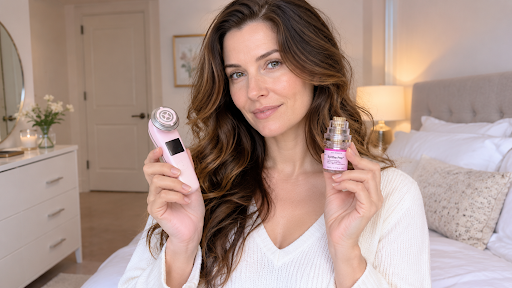
Maintaining healthy-looking skin does not have to involve complicated treatments or expensive salon appointments. With a consistent at-home skincare routine, suitable products, and a few healthy habits, it is possible to support hydration, improve skin texture, and maintain a refreshed appearance. The most important thing is understanding your skin’s needs and choosing products that work well together. Whether you are dealing with dryness, excess oil, uneven texture, or early signs of aging, a simple and thoughtful routine can make everyday skincare more manageable.
For those interested in exploring modern home skincare options, Even Skyn offers products designed to complement personal beauty routines. One option is the lumo-microinfuser, a skincare device designed for at-home use. Like any specialized beauty treatment, a device should be considered alongside basic skincare practices, realistic expectations, and appropriate safety precautions. A reliable routine should always begin with gentle cleansing, moisturizing, and daily sun protection.
Why an At-Home Skincare Routine Matters
Your skin is exposed to environmental factors every day, including sunlight, pollution, changing temperatures, and indoor heating or air conditioning. These factors can contribute to dryness, irritation, and visible signs of aging. A consistent skincare routine helps maintain the skin’s protective barrier and address common concerns before they become more difficult to manage.
Consistency is generally more valuable than using a large number of products. Frequently changing skincare formulas or combining too many active ingredients can irritate the skin. Instead, start with a few essential products and introduce new treatments gradually.
It is also important to consider your skin type. Dry skin may benefit from richer creams, while oily skin often responds well to lightweight, non-comedogenic moisturizers. Sensitive skin usually benefits from gentle, fragrance-free formulations.
The Essential Steps of Daily Home Skincare
1. Cleanse Your Skin Gently
Cleansing removes sweat, excess oil, makeup, sunscreen, and everyday impurities. However, using harsh cleansers or washing too frequently can strip away natural oils and weaken the skin barrier.
Choose a gentle cleanser suited to your skin type. Use lukewarm water rather than hot water, and avoid aggressive scrubbing. Many people find that cleansing in the evening is particularly important because it removes accumulated dirt and sunscreen.
If your skin feels tight, dry, or uncomfortable after cleansing, consider switching to a milder formula.
2. Keep Your Skin Hydrated
Moisturizing helps reduce water loss and supports the skin’s natural protective barrier. It is an important step for all skin types, including oily and acne-prone skin.
Look for ingredients that support hydration and skin comfort, such as:
- Hyaluronic acid: Helps attract and retain moisture.
- Glycerin: A humectant that draws water into the outer layers of the skin.
- Ceramides: Help support the skin barrier.
- Niacinamide: May help improve skin barrier function and the appearance of uneven skin tone.
Apply moisturizer after cleansing, following the product instructions. If your skin is particularly dry, a richer cream may be more comfortable than a lightweight lotion.
3. Make Sunscreen Part of Your Morning Routine
Sun protection is one of the most important habits for maintaining healthy-looking skin. Ultraviolet radiation contributes to premature skin aging and increases the risk of skin cancer.
Use a broad-spectrum sunscreen with SPF 30 or higher on exposed skin. Apply it generously and reapply approximately every two hours when outdoors, as well as after swimming or sweating. Hats, sunglasses, protective clothing, and shade can provide additional protection.
Even the most advanced skincare products cannot replace daily sun protection.
Exploring Advanced Home Skincare Treatments
Once you have established the basics, you may want to explore additional treatments that address specific skincare concerns. Depending on your needs, these may include facial massage tools, LED skincare devices, exfoliating products, or micro-infusion-style systems.
However, adding more treatments does not automatically produce better results. It is important to understand how a device works, what it is designed to do, and whether it is appropriate for your skin.
What Is a Micro-Infusion Skincare Device?
Lumo-microinfuser skincare devices are designed to create controlled contact between an applicator and the skin. Depending on the device, the technology may involve very small projections or another specialized application mechanism intended to support the delivery of skincare formulations.
The design and intended use can vary significantly between products. Some devices are designed for superficial cosmetic use, while others may involve penetration of the skin barrier. Products that breach the skin carry additional risks, including irritation, infection, and injury if used incorrectly.
The lumo-microinfuser is one option consumers may encounter when researching at-home beauty treatments. Before using any specialized device, read the manufacturer’s instructions carefully and understand its ingredients, cleaning requirements, recommended frequency, and contraindications.
Important Safety Considerations
At-home skincare treatments should never compromise skin health. Keep these precautions in mind:
- Follow the manufacturer’s instructions and do not increase treatment frequency to accelerate results.
- Avoid using devices on broken, irritated, infected, or inflamed skin unless advised by a qualified professional.
- Never share applicators or components that come into contact with the skin.
- Clean reusable equipment exactly as directed.
- Replace disposable components according to the manufacturer’s recommendations.
- Stop using a product if you experience significant irritation, swelling, or persistent discomfort.
People with active acne, eczema, rosacea, sensitive skin, or a history of abnormal scarring should consult a dermatologist before trying treatments that may irritate or penetrate the skin.
How to Choose Skincare Products for Your Skin Type
Choosing products based on your individual needs can make your routine more effective and comfortable.
For Dry Skin
Dry skin often feels tight, rough, or flaky. Gentle cleansers and moisturizers containing glycerin, ceramides, and hyaluronic acid can help improve hydration. Avoid excessively hot showers and harsh exfoliating products that may worsen dryness.
For Oily Skin
Oily skin produces more sebum, which can contribute to clogged pores and breakouts. Lightweight moisturizers and non-comedogenic products may help maintain hydration without feeling heavy. Avoid stripping the skin with harsh cleansers, as excessive irritation can make oil management more difficult.
For Sensitive Skin
Sensitive skin may react to fragrances, strong exfoliants, or multiple active ingredients. Choose simple formulations, introduce new products one at a time, and consider patch testing before regular use. Patch testing can reduce uncertainty but cannot guarantee that a product will never cause a reaction.
Common Skincare Mistakes to Avoid
Even people who follow a daily routine can develop habits that work against their skincare goals. Some common mistakes include:
- Using too many active ingredients at the same time.
- Skipping moisturizer because the skin is oily.
- Exfoliating too frequently.
- Applying sunscreen inconsistently.
- Trying new products without checking their ingredients.
- Expecting immediate results from products that require consistent use.
For additional guidance on managing excess oil, Spark Daily also discusses skincare mistakes that can make your forehead more oily. Understanding these habits can help readers make more informed choices and avoid unnecessary irritation.
Healthy Lifestyle Habits That Support Skin Health
Skincare products are only one part of maintaining healthy-looking skin. Everyday habits also play an important role.
Getting adequate sleep, eating a balanced diet, staying physically active, and avoiding smoking can support overall health. Drinking enough water is important for general hydration, although drinking excessive amounts does not automatically improve skin moisture.
Stress management may also be beneficial. Stress can aggravate certain skin conditions in some individuals, so regular exercise, relaxation, and a consistent sleep schedule may support overall well-being.
Remember that skincare results vary from person to person. Genetics, age, environment, health conditions, and product choices can all influence how your skin responds.
Conclusion
A healthy at-home skincare routine does not need to be complicated. Gentle cleansing, consistent moisturizing, and daily sun protection provide a practical foundation for maintaining comfortable, healthy-looking skin. Once these essentials are established, specialized products and devices may offer additional options for people interested in expanding their routines.
The best approach is to choose products suited to your skin type, introduce new treatments gradually, and follow appropriate safety guidance. With consistency, realistic expectations, and professional advice when needed, home skincare can become a sustainable part of your everyday self-care routine.
READ ALSO: 7 Skincare Mistakes That Can Make Your Forehead More Oily