Asbestlint: Meaning, Health Risks, Identification, and Safe Removal
Learn what Asbestlint means, where asbestos-containing tape may be found, why damaged material is dangerous, and what to do if you discover it.

Introduction
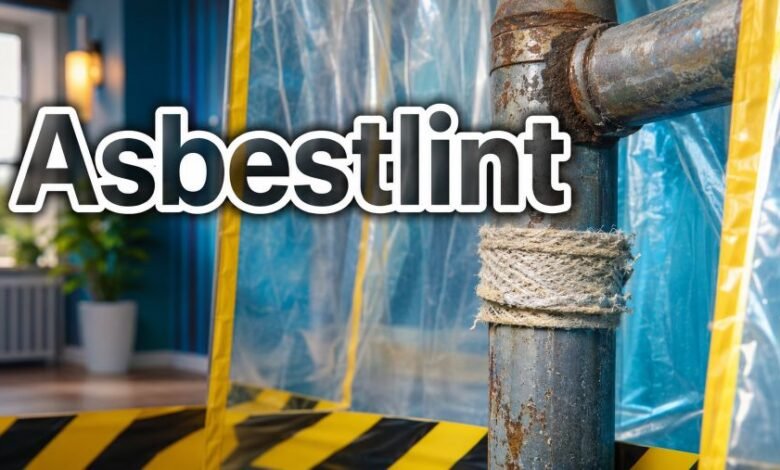
Asbestlint commonly refers to old tape, ribbon, woven strips, or sealing cord containing asbestos. These heat-resistant materials were once used around heating systems, pipes, fireplaces, stoves, ventilation ducts, and industrial equipment. However, the word can also describe plastic warning tape used to mark an asbestos-contaminated area. Therefore, not every product called Asbestlint contains asbestos.
What Is Asbestlint?
“Asbest” is the Dutch word for asbestos, while “lint” can mean ribbon or tape. In building and renovation discussions, Asbestlint may refer to:
- Woven asbestos tape used for heat insulation
- Asbestos sealing strips around pipes or ducts
- Asbestos rope or cord fitted inside old stoves
- Heat-resistant gaskets in boilers and industrial equipment
- Plastic barrier tape printed with an asbestos warning
- AsbestLint, the name used by an asbestos-information website
It is important to understand that Asbestlint is not an official medical or scientific name for asbestos dust. Some online articles incorrectly describe it as a special kind of dust. In reality, asbestos is a group of naturally occurring mineral fibres.
Why Was Asbestos Tape Used?
Manufacturers valued asbestos because it was strong, flexible, resistant to heat, and difficult to burn. These qualities made asbestos tape useful in places exposed to high temperatures.
It was commonly used to:
- Seal joints in heating and ventilation ducts
- Wrap hot pipes and steam lines
- Insulate boilers and furnaces
- Seal doors and glass panels in old stoves
- Protect electrical cables from heat
- Make fire-resistant gaskets and packing materials
Modern products normally use safer materials such as fibreglass or ceramic fibre. However, old asbestos-containing materials may still remain inside buildings and appliances.
Where Can Asbestlint Be Found?
Asbestlint is most likely to appear in older homes, factories, workshops, ships, heating systems, and industrial buildings.
Common locations include:
Old Stoves and Fireplaces
Asbestos cord was regularly used around stove doors, glass panels, smoke outlets, and chimney connections. Dutch government information confirms that asbestos cord was often installed in old fireplaces, multi-fuel stoves, and buildings constructed before 1975.
Heating and Ventilation Ducts
Thick white or grey tape was sometimes wrapped around the joints and bends of metal air ducts. Its purpose was to prevent air leakage and protect the system from heat.
Boilers and Hot Pipes
Woven asbestos strips, cloth, or rope could be placed around boilers, pipe joints, valves, and other hot equipment.
Electrical and Industrial Equipment
Some older cables, machines, furnaces, protective clothing, and fire-resistant components contained woven asbestos material.
What Does Asbestlint Look Like?
Possible asbestos tape or cord may appear:
- White, grey, or off-white
- Thick and cloth-like
- Braided, woven, or rope-shaped
- Dry, dusty, or fibrous
- Wrapped around a pipe or duct joint
- Fitted around a stove door or glass panel
- Brittle or damaged because of age
Appearance alone cannot confirm the presence of asbestos. Fibreglass and other modern heat-resistant materials can look very similar. According to the Dutch government’s Information Point for the Living Environment, laboratory analysis is the reliable way to identify suspicious sealing cord.
Do not perform a burn test, scrape the material, pull out fibres, or cut off a sample yourself. These actions may release dangerous fibres into the air.
Is Asbestlint Dangerous?
Asbestos-containing tape is most dangerous when it is damaged, loose, brittle, or disturbed. Cutting, drilling, sanding, brushing, tearing, or removing it may release microscopic fibres.
People can breathe these fibres into their lungs without noticing them. The fibres cannot be seen with the naked eye, and asbestos exposure does not usually cause immediate symptoms.
The World Health Organization states that every main form of asbestos is carcinogenic. Exposure can cause:
- Mesothelioma
- Lung cancer
- Cancer of the larynx
- Ovarian cancer
- Asbestosis, which causes lung scarring
- Other diseases affecting the lungs and their lining
These illnesses may take many years to develop. The level of risk depends on factors such as the quantity of fibres released, how often exposure happened, and how long it continued.
Is Undamaged Asbestlint an Immediate Emergency?
Material that is sealed, stable, and left untouched is generally less likely to release fibres than material that is breaking apart. This does not mean confirmed asbestos is safe to handle.
If suspected Asbestlint is in good condition:
- Do not touch or disturb it.
- Keep children and pets away.
- Avoid cleaning, repairing, or using the affected equipment.
- Contact a qualified asbestos inspector.
- Follow the inspector’s advice about management or removal.
If it is damaged or producing dust, leave the area and prevent other people from entering until professional advice is available.
What Should You Do If You Find Suspected Asbestlint?
Stay calm and follow these basic precautions:
- Stop work immediately.
- Do not touch, pull, cut, or sweep the material.
- Switch off nearby equipment if this can be done without approaching the material.
- Keep people away from the area.
- Close the room if possible.
- Do not use an ordinary vacuum cleaner.
- Contact a certified asbestos inspection company.
- Inform contractors before renovation or demolition begins.
An ordinary household vacuum may spread microscopic fibres through its exhaust and contaminate other rooms.
Can You Remove Asbestlint Yourself?
Removing asbestos tape or rope yourself is generally unsafe. These products can be soft, loosely bound, and easy to damage, which increases the possibility of fibre release.
Rules differ between countries and local authorities. In the Netherlands, asbestos was widely used in buildings constructed before 1994, and professional asbestos inventories are required in many renovation or demolition situations. Homeowners should contact their municipality or environmental authority before arranging removal.
A trained contractor can:
- Inspect the entire affected area
- Take controlled samples
- Determine the material’s condition
- Prevent fibres from spreading
- Package and transport waste correctly
- Clean and verify the work area
Wearing a basic dust mask does not make uncontrolled asbestos removal safe.
Asbestos Warning Tape Is Different
Some suppliers sell yellow-and-black tape carrying words such as “Danger: Asbestos” or “No Entry: Asbestos.” This is plastic barrier tape used to mark a restricted area.
The warning tape itself normally does not contain asbestos. It simply tells people that asbestos work or contamination may be present nearby.
This distinction matters because the phrase Asbestlint may describe either hazardous historical material or modern safety tape.
Asbestlint in Buildings of Different Ages
In the Netherlands, professional use and sale of asbestos were almost completely prohibited from 1 July 1993. Buildings and installations dating from before 1994 are therefore more likely to contain asbestos.
Age can help with an initial risk assessment, but it cannot provide a final answer. Old equipment may have received modern replacement cord, while reused historical components may appear in newer buildings.
Safe Modern Alternatives
Modern asbestos-free sealing products include:
- Fibreglass stove rope
- Ceramic-fibre tape
- High-temperature silicone seals
- Mineral-fibre gaskets
- Manufacturer-approved replacement seals
A replacement should match the appliance’s required temperature rating and specifications. Never assume that every fibrous replacement product is suitable for every stove, boiler, or industrial machine.
Frequently Asked Questions
Is Asbestlint another name for asbestos dust?
No. It usually refers to asbestos-containing tape, woven strips, cord, or warning tape. It is not an official scientific term for asbestos dust.
Can asbestos tape be identified from a photograph?
A photograph may show that material is suspicious, but it cannot confirm asbestos. Proper sampling and accredited laboratory analysis are needed.
Is white asbestos safe?
No. Chrysotile is sometimes called white asbestos, but it can still cause cancer and serious lung disease.
Should I remove old stove cord myself?
No. Stop using or disturbing the stove and ask a qualified asbestos professional to inspect the cord.
Can I cover damaged Asbestlint with paint or tape?
Do not attempt to cover, seal, or repair damaged material without professional advice. Touching it may release fibres.
Does modern stove rope contain asbestos?
Modern stove rope is normally made from alternatives such as fibreglass. Check the packaging, manufacturer’s information, and installation date if you are uncertain.
Final Thoughts
Asbestlint usually means old asbestos-containing tape or sealing cord, although it may also refer to harmless plastic warning tape. Suspected asbestos cannot be confirmed by colour, texture, or a photograph alone.
The safest response is simple: do not disturb the material, keep people away, and arrange a professional inspection. Careful identification prevents unnecessary fear while protecting people from avoidable asbestos exposure.