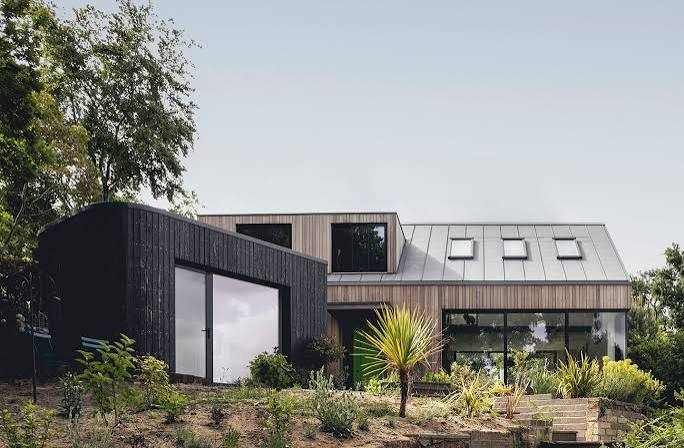
Sustainability is becoming an important consideration for people buying or improving a home. Energy use, insulation, heating systems and building materials can influence a property’s running costs and environmental impact. For buyers in Farnham, understanding these features can help when comparing older properties with more recently built homes.
Farnham has a varied housing stock, including period cottages, traditional houses, modern developments and properties in established residential neighbourhoods. The practical opportunities for improving energy efficiency will therefore differ according to a building’s age, construction and existing systems.
Why Sustainable Housing Matters
Energy efficiency can affect household expenditure as well as comfort. Experienced estate agents in Farnham can help buyers understand the types of properties available locally, but technical details such as insulation standards and heating efficiency should be assessed using the property’s documentation and, where necessary, professional advice.
A property’s Energy Performance Certificate (EPC) provides an initial indication of its energy efficiency and includes recommendations for potential improvements. Buyers should review the certificate alongside information about heating, insulation and any upgrades already completed.
An EPC is useful, but it does not replace a survey or provide a complete picture of actual energy consumption.
Energy Efficiency in Older Farnham Properties
Older homes can have distinctive architectural features, but their construction may present particular challenges when improving energy efficiency. Period properties may have solid walls, older windows or limited insulation, depending on their age and subsequent alterations.
Potential improvements include draught-proofing, loft insulation where suitable, upgrading heating controls and improving the efficiency of existing systems. However, work should be appropriate to the building’s construction and condition.
For listed buildings or properties within conservation areas, additional restrictions may apply to certain alterations. Buyers should check the relevant requirements before assuming that replacement windows, external insulation or other changes will be permitted.
Renewable Energy and Modern Heating
Solar panels, heat pumps and other lower-carbon technologies are relevant to the future of residential energy use. Whether they are suitable for a particular Farnham property depends on factors such as roof orientation, available space, insulation, existing heating systems and installation costs.
Heat pumps, for example, may work most effectively when a property has suitable insulation and appropriately designed heating distribution. Buyers considering a home with a heat pump should ask about its installation, servicing and operation.
Solar panels may also require checks regarding ownership, maintenance arrangements and any relevant permissions. The presence of a technology alone does not guarantee lower bills, as results depend on the system and how the property is used.
Sustainable Features in New-Build Homes
Newer properties may incorporate more recent insulation standards, efficient heating systems and energy-saving controls. Some developments may also include electric vehicle charging provision, cycle storage or landscaping intended to support greener travel and outdoor spaces.
Buyers should assess these features individually rather than assuming that every new-build property has the same sustainability credentials. Construction standards, energy systems and available facilities can vary between developments.
It is also useful to review warranties, maintenance requirements and the property’s EPC before making comparisons.
Materials, Water and Everyday Energy Use
Sustainability extends beyond heating and electricity. Durable materials, effective ventilation, water-efficient fittings and well-designed outdoor spaces can all contribute to a home’s long-term performance.
Simple measures such as LED lighting, suitable heating controls and reducing draughts may improve efficiency without requiring a major renovation. Water-saving fittings can also reduce unnecessary consumption.
For buyers planning improvements, it is sensible to prioritise measures that address the property’s specific weaknesses rather than selecting upgrades solely because they are associated with sustainability.
What Buyers Should Consider Before Purchasing
When comparing homes in Farnham, buyers may wish to check:
- The current EPC rating and recommended improvements.
- The age and condition of the heating system.
- Available insulation and ventilation.
- Evidence of completed energy-efficiency upgrades.
- The likely cost of any proposed improvements.
- Planning or conservation restrictions.
- Maintenance requirements for renewable technologies.
Professional surveys and specialist assessments can help clarify the suitability and cost of proposed work.
Conclusion
Sustainable housing is likely to remain an important consideration as homeowners seek to manage energy use, improve comfort and understand the long-term costs of maintaining a property. In Farnham, the best approach will depend on the building itself, from the requirements of a period cottage to the systems installed in a modern home.
Buyers who review energy documentation, investigate existing systems and obtain advice where needed can make better-informed decisions about a property’s efficiency and future improvement potential.