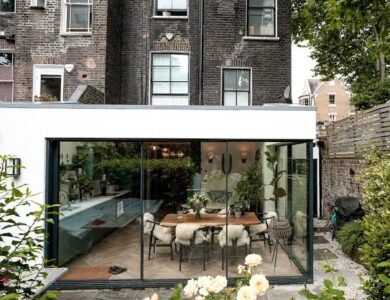
An unoccupied rental property can create ongoing costs without generating rental income, making the period between tenancies an important consideration for London landlords. Preparing a property before marketing it can help attract suitable applicants, support a smoother letting process and reduce avoidable delays, although rental demand also depends on pricing, location and property condition.
How Property Presentation Influences First Impressions
Prospective tenants often form an initial opinion from property photographs before deciding whether to arrange a viewing. Cluttered rooms, poor lighting, tired decoration and visible signs of neglect can make a property appear less appealing, even when its location and layout meet their requirements. These issues may also make it harder for applicants to understand the available space and assess whether the property suits their needs.
Thoughtful interior design for staging helps landlords present a property in a way that makes its proportions, features and practical benefits easier to appreciate. This does not necessarily mean undertaking a major refurbishment. Removing unnecessary items, arranging furniture carefully and ensuring that each room has a clear purpose can improve the overall impression without substantial expenditure.
Presentation is particularly relevant in London, where rental properties range from compact studio flats and period conversions to larger family houses. In a smaller flat, oversized furniture or crowded surfaces can make rooms feel restrictive. In a family property, poorly presented storage areas or an underused second reception room may prevent prospective tenants from recognising how the space could accommodate their needs.
Common mistakes include leaving personal belongings on display, photographing rooms with unmade beds, overlooking scuffed paintwork and allowing bins or cleaning equipment to remain visible. Addressing these details before the property is advertised can help create a more accurate and considered representation of the accommodation.
Furniture, Layout and Practical Interior Improvements
Furniture should help prospective tenants understand how a property can be used. In vacant homes, appropriately scaled pieces can demonstrate where a bed, dining table or sofa might fit, making it easier to assess the room’s functionality. However, furnishing every available space is rarely necessary. Selective placement can communicate the layout while keeping circulation routes clear.
In a compact London flat, a small dining table that doubles as a workspace may demonstrate flexibility without overwhelming the room. A bed positioned to allow access on both sides, where space permits, can make a bedroom feel more usable. Similarly, a sofa arranged around the room’s natural focal point can help define the living area without obstructing windows, doorways or access to storage.
The intended tenant audience should guide furnishing decisions. A family house may benefit from practical dining arrangements, accessible storage and clearly defined living areas. A property aimed at professionals seeking a furnished rental may require a suitable bed, wardrobe, sofa, dining furniture and a functional work surface. The objective is to provide the essentials that support everyday use rather than filling rooms with decorative items.
Landlords letting furnished properties should review the condition and consistency of existing furniture before each new tenancy. Worn upholstery, unstable chairs, damaged bed frames and mismatched items in poor condition can undermine the overall presentation. Replacing individual pieces may be more appropriate than purchasing a complete new set.
Durable materials and straightforward designs can also make ongoing maintenance easier. Removable or washable covers, hard-wearing flooring and furniture with readily available replacement parts can be practical choices, particularly in properties with frequent tenant turnover. Any furniture selected should suit the space, meet applicable safety requirements and allow tenants to use the property comfortably.
Maintenance, Cleanliness, Lighting and Neutral Decoration
Good presentation cannot compensate for unresolved maintenance problems. Dripping taps, loose handles, damaged flooring, faulty appliances and poorly functioning doors can create concerns about how well a property has been managed. Landlords should address these issues before arranging photography or viewings, prioritising safety, essential repairs and defects that affect everyday use.
Kitchens and bathrooms deserve particular attention because prospective tenants are likely to examine their cleanliness and condition closely. Grease around cooking areas, stained grout, limescale on taps and mould around sealant can make otherwise serviceable rooms appear neglected. Thorough cleaning, appropriate repairs and replacement of genuinely worn components may be more effective than installing entirely new units.
Lighting also influences how rooms are experienced and photographed. Clean windows, functioning light fittings and suitable bulbs can help spaces appear brighter and make their features easier to see. Curtains and blinds should open properly, while furniture should not unnecessarily block natural light. Photography should reflect the property’s actual condition rather than rely on excessive editing or misleading angles.
Neutral decoration can provide a practical foundation for rental presentation. Simple wall colours allow prospective tenants to imagine their own belongings in the space and can make future touch-ups easier. However, repainting every room is not always necessary. If the existing finish is clean and in good condition, targeted repairs to scuffs, chipped paint or damaged skirting may be sufficient.
Communal areas should not be overlooked, particularly in converted London houses and blocks of flats. Clean entrance halls, clear access routes, tidy shared kitchens and well-maintained staircases contribute to the overall impression of the building. Where responsibility for communal maintenance is shared, landlords should identify any outstanding issues and raise them with the relevant managing party before marketing.
Balancing Preparation Costs with Rental Strategy
The right level of preparation depends on the property’s condition, available budget and intended tenant audience. A well-maintained flat requiring only minor cosmetic attention may be ready to advertise after cleaning, small repairs and improved photography. A property with dated facilities, damaged flooring or unresolved damp concerns may need more substantial work before presentation becomes a priority.
Landlords should begin with a practical inspection and divide potential improvements into three groups: essential repairs, presentation improvements and optional upgrades. Essential work includes addressing safety concerns, resolving leaks and ensuring that important facilities function properly. Presentation improvements may include decluttering, decorating selected rooms or replacing worn furnishings. Optional upgrades could involve changing decorative finishes or purchasing accessories that have little bearing on the property’s usability.
This approach helps prevent unnecessary spending on cosmetic changes that do not address the property’s main weaknesses. Installing new kitchen worktops, for example, may offer limited value if the underlying problem is a faulty appliance or poor cleanliness. Similarly, expensive furniture is unlikely to compensate for an awkward layout or inadequate storage.
The target tenant should influence where the budget is allocated. A family rental may benefit more from durable flooring, useful storage and a functional dining area than from decorative accessories. A furnished flat aimed at working professionals may require better-quality essential furniture, reliable appliances and a practical place to work. In both cases, improvements should respond to genuine needs rather than assumptions about what tenants will prefer.
Vacant and furnished properties also require different preparation methods. For an empty property, selected furniture can help establish scale and demonstrate room use during photography and viewings. For a furnished property, removing excess belongings, organising surfaces and repositioning existing furniture may achieve a similar result without additional purchases.
Landlords should also consider the full cost of preparation, including labour, materials, cleaning, furniture delivery and the time needed to complete the work. Where several improvements are possible, prioritising those that resolve significant defects or make the property easier to understand is generally more sensible than making multiple minor decorative changes.
Finally, presentation should support a realistic rental strategy rather than replace it. A property priced above comparable local options may remain unoccupied despite attractive photographs, while delays in responding to enquiries or arranging viewings can cause prospective tenants to look elsewhere. Accurate pricing, clear property information, responsive management and suitable presentation need to work together.
Conclusion
Reducing avoidable delays between tenancies starts with understanding what the property needs before it is advertised. Landlords should carry out a room-by-room inspection, identify essential repairs, assess furniture and layout, and prioritise improvements according to condition, budget and intended tenant audience. Before commissioning photography, prepare one room at a time, ensuring that it is clean, functional and clearly presented. This practical review provides a useful starting point for marketing the property accurately while avoiding unnecessary expenditure.