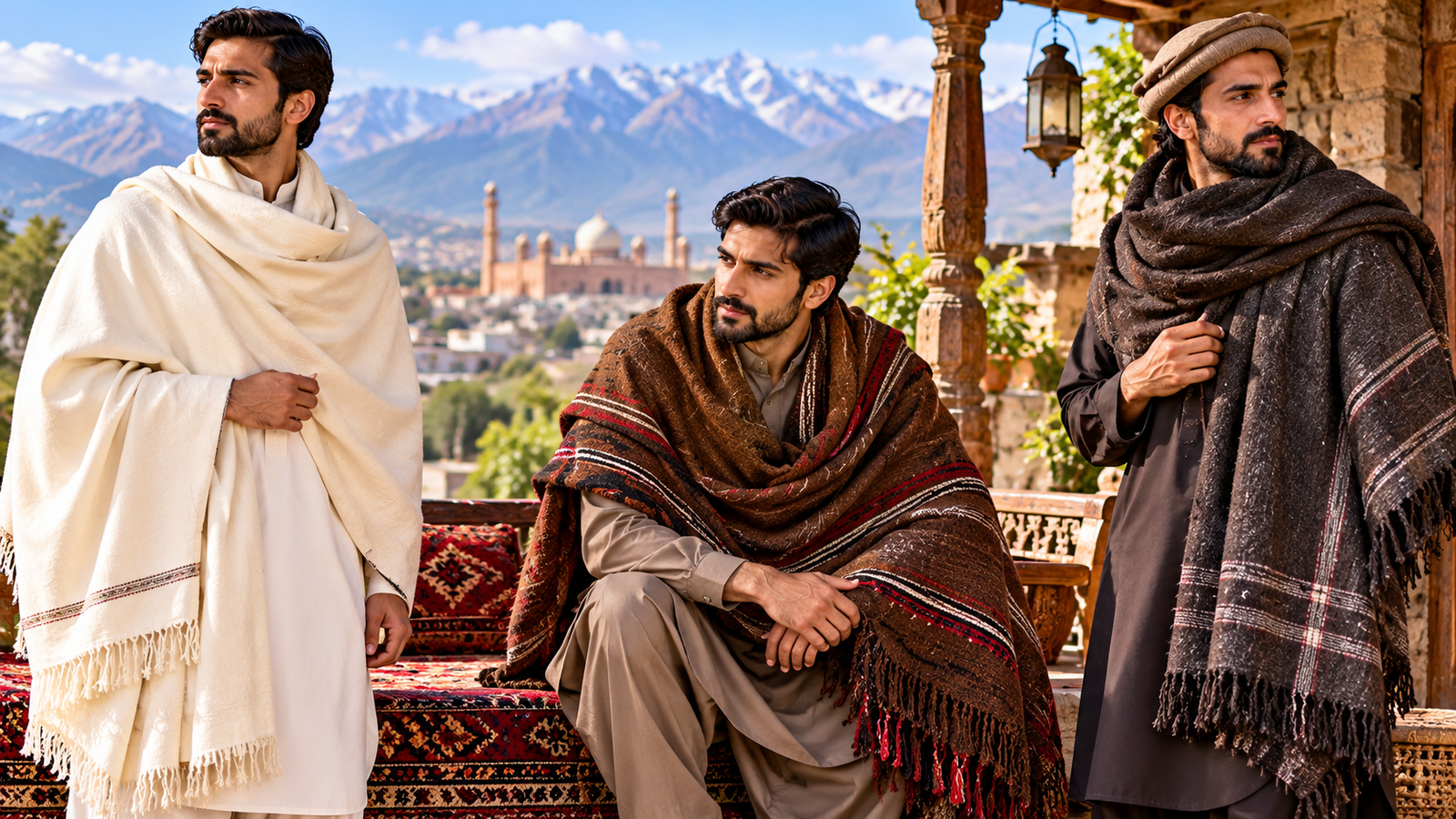
Shawls have a special place in Pakistani clothing and culture. Men wear them during cold winter mornings, at family gatherings, while travelling, and during traditional events. However, not every shawl is the same. Names such as chadar, lohi, and dhussa often describe different types of wraps, fabrics, or traditional uses.
If you are exploring Men Shawls, understanding these terms can help you choose the right style for your needs. Some shawls offer warmth and comfort, while others reflect regional traditions and personal style. The names and meanings may also vary from one part of Pakistan to another.
This guide explains chadar, lohi, and dhussa in simple words. It also covers their common uses, differences, and the factors to consider when choosing a traditional men’s shawl.
1. What Is a Chadar?
A chadar is a large piece of cloth that people drape over their shoulders or wrap around their bodies. The word is widely used in South Asian languages, including Urdu, and its meaning can vary according to context.
In Pakistan, men often use a chadar as a practical outer layer. It can provide light warmth, offer coverage, and complete a traditional outfit. Depending on the fabric, a chadar may work well in mild weather or colder conditions.
Common Features of a Chadar
- Simple design: Many chadars feature plain colours, stripes, checks, or subtle patterns.
- Versatile use: Men can drape one over a shalwar kameez or use it while sitting outdoors.
- Different fabrics: Cotton, wool blends, and other materials suit different seasons.
- Easy styling: A chadar usually requires little effort to wear.
A chadar does not always refer to a specific fabric or weaving technique. Instead, the term often describes the cloth itself and the way people use it.
For everyday wear, a lightweight chadar can be a practical option. During winter, a thicker version may provide more comfort.
2. What Is a Lohi?
A lohi is a traditional wrap associated particularly with parts of Punjab and other regions of the subcontinent. In Pakistani clothing, the term commonly refers to a warm shawl or blanket-like wrap that men use during cold weather.
Traditional lohis may feature wool or wool-like materials, simple woven patterns, checks, or earthy colours. Their designs often reflect regional preferences and practical needs rather than changing fashion trends.
Common Features of a Lohi
- Warm construction: Traditional versions often use wool or other insulating materials.
- Practical appearance: Many designs focus on comfort and everyday use.
- Traditional styling: A lohi pairs naturally with shalwar kameez and other regional clothing.
- Cold-weather comfort: Men can wrap it around their shoulders and upper body when temperatures drop.
The term lohi does not guarantee that a shawl contains pure wool. Fabric composition depends on the product, manufacturer, and local tradition. Always check the material label before buying.
3. What Is a Dhussa?
Dhussa is a traditional shawl associated with Punjabi culture, particularly in Pakistan. It is commonly recognised as a substantial, warm men’s wrap. Traditional dhussas are often made from wool and may feature woven checks, stripes, borders, or other understated patterns.
The term is especially familiar in discussions of Punjabi men’s winter clothing. However, usage and design can differ across communities, so not every region uses the word in exactly the same way.
Common Features of a Dhussa
- Warm fabric: Many traditional dhussas use wool or thick woven materials.
- Distinctive patterns: Checks, stripes, and contrasting borders are common design choices.
- Traditional appeal: A dhussa complements classic Pakistani clothing.
- Useful coverage: Its size and construction can make it suitable for wrapping around the shoulders and upper body.
A dhussa may be worn at home, during outdoor activities, or at traditional gatherings. Its appearance can range from simple everyday designs to more refined options.
When shopping for a dhussa, pay attention to the fabric weight, softness, dimensions, and finishing. These details matter more than the product name alone when you want a comfortable winter shawl.
4. Chadar vs. Lohi vs. Dhussa: What Is the Difference?
Although people sometimes use these terms interchangeably, they do not always mean the same thing. Their differences are easiest to understand by looking at their common uses and traditional associations.
| Feature | Chadar | Lohi | Dhussa |
| General meaning | A large cloth or wrap | A traditional warm wrap | A traditional men’s shawl |
| Common purpose | Everyday coverage and layering | Warmth and practical winter use | Warmth and traditional styling |
| Typical materials | Cotton, wool blends, and other fabrics | Often wool or similar materials | Often wool or thick woven fabrics |
| Common appearance | Plain, striped, checked, or patterned | Often simple and practical | Frequently checked, striped, or bordered |
| Best suited for | Flexible everyday use | Traditional winter comfort | Winter wear and cultural occasions |
These descriptions are general rather than strict rules. A particular product may have features associated with more than one category.
For example, a thick woollen chadar might serve the same purpose as a lohi. Similarly, a shop may describe a traditional checked shawl as a dhussa even when its design differs from another region’s version.
5. How to Choose the Right Men’s Shawl
Understanding traditional terms is helpful, but choosing the right shawl also depends on your lifestyle, climate, and preferences.
Consider the Fabric
Fabric affects warmth, softness, durability, and maintenance. Wool provides insulation and suits colder conditions. Cotton can work well in milder weather, while blended fabrics may offer a balance between price and comfort.
If you want a woolen shawl for men, check whether the product contains pure wool, a wool blend, or synthetic fibres. Sellers sometimes use similar descriptions for different materials, so read the specifications carefully.
Check the Size
A shawl should offer enough coverage without feeling difficult to manage. Larger wraps provide more flexibility, especially when you want to cover your shoulders and upper body.
Before ordering online, review the listed length and width. Product photographs can make a shawl look larger or smaller than it actually is.
Choose a Suitable Colour
Neutral colours such as black, grey, brown, beige, and cream pair easily with traditional outfits. Checks and stripes add visual interest without making the shawl difficult to style.
For everyday use, choose a colour that complements the clothes you already wear. If you plan to wear the shawl at weddings or formal gatherings, you may prefer a more refined pattern or finish.
Review the Weave and Finishing
Inspect the product description for details about the weave, edges, stitching, and overall finish. A well-finished shawl should have secure edges and a consistent appearance.
Customer photographs and reviews can also help you understand the actual colour, texture, and thickness.
Understand the Care Requirements
Some woollen shawls need gentle handwashing or professional cleaning. Others may allow machine washing under specific conditions.
Always follow the manufacturer’s instructions. Proper care helps reduce shrinkage, preserve softness, and keep the fabric looking good for longer.
6. Why Men Shawls Remain Important in Pakistani Culture
Men Shawls are more than winter accessories in Pakistan. They are connected with regional clothing, family traditions, and everyday life.
In Punjab, traditional wraps such as lohis and dhussas are associated with practical winter dressing. In other regions, men may prefer different fabrics, patterns, and ways of draping their shawls.
Shawls also make thoughtful gifts. A quality woollen wrap can be suitable for fathers, brothers, husbands, or friends, particularly during winter or festive occasions. The choice of material, colour, and design can make the gift feel personal.
7. Where Can You Wear a Traditional Men’s Shawl?
A shawl’s versatility makes it useful for different situations.
- At home: A thick wrap offers an extra layer during cold mornings and evenings.
- While travelling: A generously sized shawl can provide warmth during long journeys.
- At family gatherings: A traditional design complements shalwar kameez and other cultural outfits.
- At outdoor events: A woollen wrap helps protect against chilly weather.
- As a gift: A well-made shawl is a practical choice for winter birthdays and other special occasions.
The best option depends on the occasion. A lightweight chadar may suit everyday use, while a thicker lohi or dhussa may offer greater warmth in colder conditions.
Frequently Asked Questions
Is a chadar the same as a shawl?
Not always. A chadar generally refers to a large piece of cloth or wrap, while a shawl is commonly understood as a garment worn around the shoulders or upper body. In everyday Pakistani usage, the terms can overlap.
What is the difference between a lohi and a dhussa?
Both terms are associated with traditional warm wraps, particularly in Punjabi clothing. A lohi is commonly described as a practical traditional wrap, while dhussa often refers to a traditional men’s shawl. Exact meanings and designs vary by region and seller.
Which fabric is best for a winter shawl?
Wool is a popular choice because it provides good insulation. Wool blends may offer a more affordable alternative, while synthetic materials can be easier to maintain. Choose according to your budget, comfort, and care preferences.
How can I identify a good-quality Pakistani men’s shawl?
Check the fabric composition, weave, dimensions, finishing, and care instructions. If shopping online, read customer reviews and confirm the seller’s return policy before placing your order.
Final Thoughts
Chadar, lohi, and dhussa are useful terms to understand when exploring traditional Pakistani men’s clothing. A chadar generally describes a versatile cloth or wrap, a lohi is commonly associated with practical warmth, and a dhussa is a traditional men’s shawl with strong Punjabi associations.
When choosing Men Shawls, focus on the fabric, warmth, size, design, and intended use. Whether you prefer a simple everyday wrap or a traditional men shawl Pakistani style, understanding these terms will help you make a more informed choice. For winter comfort, a well-made woolen shawl for men can offer both practical warmth and a timeless connection to Pakistani culture.