Dave Brailsford: The Man Behind British Cycling’s Rise and His Manchester United Journey
From racing bicycles in France to managing Olympic champions and working with Manchester United, Sir Dave Brailsford has built a remarkable career in British sport.

Introduction
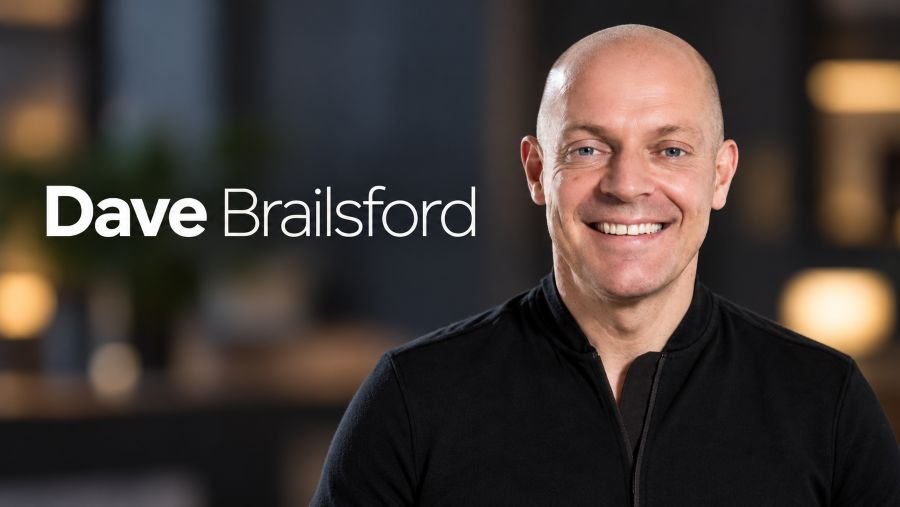
Sir Dave Brailsford is a British sports executive and former competitive cyclist. He became famous for changing how British Cycling prepared athletes and for leading Team Sky through several Tour de France victories.
His story goes far beyond cycling.
He later became Director of Sport at INEOS and joined Manchester United’s board during Sir Jim Ratcliffe’s investment in the football club.
But his career has changed again.
In April 2026, his Manchester United directorship ended. He continued to focus on his wider responsibilities at INEOS.
So, who is Dave Brailsford? How did a young cyclist from North Wales become one of Britain’s best-known sports executives?
His story starts with an ambitious move to France.
Quick Facts
| Detail | Information |
|---|---|
| Full name | Sir David John Brailsford |
| Known as | Dave Brailsford |
| Date of birth | 29 February 1964 |
| Age | 62 years (October 2026) |
| Birthplace | Derby, England |
| Nationality | British |
| Raised in | Deiniolen, North Wales |
| Profession | Sports executive, former competitive cyclist |
| Education | Sports science, psychology and MBA |
| Universities | University of Chester predecessor institution and Sheffield Business School |
| Famous for | British Cycling, Team Sky and marginal gains |
| Former position | Performance Director, British Cycling |
| Major cycling achievement | Seven Tour de France victories as team principal |
| INEOS role | Director of Sport |
| Manchester United | Former board director |
| Major honour | Knight Bachelor (2013) |
Note: INEOS and the official London 2012 Team GB media guide record his birth year as 1964. Some older news reports list 1965.
Early Life and Childhood in North Wales
Dave Brailsford was born on 29 February 1964 in Derby, England.
His family moved to Deiniolen in North Wales when he was around two years old.
It was a small village near Snowdon.
His father worked as an Alpine mountain guide. Growing up near the mountains gave Brailsford plenty of opportunities to spend time outdoors.
Cycling soon caught his attention.
He enjoyed the physical challenge. The sport also gave him something to work towards.
He grew up in a Welsh-speaking area and learned Welsh during his childhood.
That background became part of his identity.
He was born in England, but much of his early life was spent in Wales.
His ambitions eventually took him abroad.
Education and Academic Background
Brailsford did not immediately pursue university studies.
He first tried competitive cycling.
In 1984, he left Britain and moved to Saint-Étienne, France, hoping to build a career as a professional rider.
He spent four years racing there.
It was a serious commitment.
But becoming a leading professional cyclist proved difficult.
He returned to Britain in 1988 and started studying sports science and psychology at Chester College of Higher Education, a predecessor institution of the University of Chester.
Later, he completed an MBA at Sheffield Business School.
Those qualifications gave him a different view of sport.
He learned about physical performance, human behaviour and business management.
That combination later helped him understand how sports organisations could work better.
Instead of concentrating only on athletes, he looked at the systems supporting them.
His Early Career as a Cyclist
Before becoming a famous sports manager, Brailsford wanted to succeed on the road himself.
His dream was clear.
He wanted to race professionally and compete in events such as the Tour de France.
Moving to France was a big step.
He trained and raced in a country with a strong cycling tradition.
Those four years helped him understand the demands of competitive riding.
Still, his professional racing ambitions did not work out as planned.
He returned home without becoming a Tour de France competitor.
That disappointment changed his direction.
He began focusing more closely on the science of performance and the management of successful teams.
Years later, he would reach the Tour de France through a very different route.
He would lead a team rather than race for one.
Starting His Career at British Cycling
Brailsford began working with British Cycling as a consultant in 1998.
The organisation was changing.
National Lottery funding had created new opportunities for British Olympic sports. Cycling was receiving support that could improve coaching, facilities and athlete preparation.
Brailsford gradually moved into senior positions.
In 2003, he became British Cycling’s Performance Director, succeeding Peter Keen.
This was his big opportunity.
The organisation already had talented cyclists and an established development programme.
Brailsford wanted to build on that foundation.
He focused on making preparation more consistent.
Training methods were reviewed. Equipment received greater attention. Coaches and support staff worked together to improve performance.
The changes were tested in competition.
And the results began to show.
Olympic Success Under His Leadership
The 2004 Athens Olympics gave Britain an early sign that its cycling programme was improving.
Chris Hoy won gold in the men’s kilometre time trial.
Bradley Wiggins won the individual pursuit.
The British cycling team finished with four medals, including two golds.
Bigger achievements followed.
Beijing Olympics 2008
The British cycling squad enjoyed extraordinary success in Beijing.
It won eight gold medals across track and road cycling.
The team also collected four silver medals and two bronze medals.
Chris Hoy became one of the leading names of the Games, winning three gold medals.
Nicole Cooke won the women’s road race.
Britain had become a major force.
Brailsford received widespread recognition for his management of the programme.
London Olympics 2012
The pressure was even greater in London.
British cyclists were competing at home, with expectations already high after Beijing.
They delivered again.
The squad won eight Olympic cycling gold medals.
Bradley Wiggins took gold in the men’s road time trial.
Chris Hoy, Victoria Pendleton, Jason Kenny and Laura Trott were among the celebrated British riders at those Games.
Britain also achieved major success in Paralympic cycling, collecting 17 gold medals across road and track events.
These medals belonged to the athletes.
But the coaching, science and support systems developed during Brailsford’s leadership helped prepare them.
His time with British Cycling became closely associated with that success.
What Is the Marginal Gains Philosophy?
One idea made Brailsford particularly well known.
It was called marginal gains.
The basic idea was simple.
Small improvements can build meaningful advantages.
Think about a cyclist preparing for a race.
The rider needs proper training. But performance also depends on clothing, equipment, recovery, nutrition and the way the bicycle moves through the air.
Brailsford encouraged teams to examine each area.
Could a helmet reduce resistance?
Could better equipment help a rider stay comfortable?
Could improved hygiene reduce illness?
Could better recovery habits keep athletes ready for training?
Each change might appear small.
But several useful improvements could work together.
The approach also encouraged staff to keep questioning old methods.
Instead of assuming something already worked well, they were encouraged to test it.
Of course, every small change does not automatically produce a measurable improvement. Some ideas work. Others do not.
The important point was to measure, learn and keep the changes that genuinely helped.
Brailsford’s management approach later attracted attention outside cycling, including from businesses interested in improving everyday performance.
Building Team Sky
Brailsford had another ambition.
He wanted a British professional cycling team capable of winning the Tour de France.
Team Sky was announced in 2009.
It began competing in 2010, with Brailsford serving as team principal.
Winning the Tour de France was the main target.
And the team moved quickly.
Bradley Wiggins joined Team Sky before its first racing season.
Chris Froome also became a major figure in the squad.
The organisation invested in coaching, race preparation and rider support.
Brailsford applied many of the ideas developed during his years with British Cycling.
But professional road racing brought different problems.
Grand Tours last several weeks.
Weather changes. Riders suffer injuries. Teams must make difficult tactical decisions while competing against experienced international rivals.
Success required careful preparation and strong performances on the road.
Seven Tour de France Victories
Team Sky achieved its first major breakthrough in 2012.
Bradley Wiggins became the first British rider to win the Tour de France.
The victory came earlier than the team’s original five-year target.
Chris Froome won the race in 2013.
He then added three more victories.
Geraint Thomas won in 2018.
In 2019, Egan Bernal delivered another victory after the team became Team INEOS.
Tour de France winners under his leadership
| Year | Winning cyclist | Team |
|---|---|---|
| 2012 | Bradley Wiggins | Team Sky |
| 2013 | Chris Froome | Team Sky |
| 2015 | Chris Froome | Team Sky |
| 2016 | Chris Froome | Team Sky |
| 2017 | Chris Froome | Team Sky |
| 2018 | Geraint Thomas | Team Sky |
| 2019 | Egan Bernal | Team INEOS |
Seven victories in eight years.
That was an exceptional record.
Four different riders won the race during that period.
For Brailsford, it also marked the fulfilment of a dream he had first chased as a young cyclist in France.
He never won the Tour de France as a rider.
But he helped build a team that repeatedly won cycling’s most famous race.
Why He Left British Cycling
By 2014, Brailsford was managing responsibilities across British Cycling and Team Sky.
Both organisations demanded considerable attention.
He decided to concentrate on professional road cycling.
On 11 April 2014, British Cycling confirmed he would step down as Performance Director.
He moved his attention towards his role as Team Sky principal.
His departure came after approximately 11 years leading the British Cycling performance programme.
He left behind an organisation that had enjoyed major Olympic and world championship success.
His work was not finished, though.
Professional cycling remained a major part of his career.
Joining INEOS and Taking on Wider Responsibilities
Team Sky became Team INEOS in May 2019, following a change in sponsorship.
Brailsford continued leading the cycling operation.
His responsibilities expanded in December 2021.
INEOS appointed him Director of Sport.
The position involved working across sporting organisations associated with the company.
He could now share performance ideas with leaders working in different sports.
That was a major career move.
He was no longer concentrating only on professional cycling.
His role involved helping sporting organisations assess how they prepared teams and managed performance.
INEOS also had investments and partnerships across football, sailing and other sports.
Brailsford’s experience made him a familiar figure within the company’s wider sporting operations.
His Role at Manchester United
Brailsford became involved with Manchester United after Sir Jim Ratcliffe agreed to purchase a minority stake in the club in December 2023.
He officially joined Manchester United’s board on 19 February 2024.
His work focused on football operations and organisational changes.
He was involved in reviewing how the club was managed.
He also played a major part in plans to redevelop the Carrington training facility.
The project was reported to cost approximately £50 million.
Manchester United was trying to change its internal structures.
Brailsford’s background in performance management made him part of that work.
But football was different from cycling.
The club had its own leadership, coaching staff, recruitment needs and financial pressures.
His role was strategic rather than that of a first-team coach.
Did Dave Brailsford Leave Manchester United?
Yes.
His involvement began to reduce in 2025.
On 4 June 2025, BBC Sport reported that he would scale back his responsibilities at Manchester United to concentrate on his wider INEOS position.
He initially remained on the club’s board.
His formal directorship ended on 30 April 2026.
The BBC confirmed the change on 7 May 2026, citing Companies House records.
This ended his board position at Manchester United.
It did not mean he had left INEOS.
His wider sports responsibilities continued separately.
Awards and Major Honours
Brailsford received several honours during his career.
His achievements with British Cycling were recognised nationally.
| Year | Honour or award |
|---|---|
| 2005 | Member of the Order of the British Empire (MBE) |
| 2008 | Commander of the Order of the British Empire (CBE) |
| 2008 | BBC Sports Personality Coach of the Year |
| 2012 | BBC Sports Personality Coach of the Year |
| 2013 | Knight Bachelor |
He received his knighthood at Buckingham Palace on 28 February 2013.
The honour followed British cycling’s success during the London 2012 Olympics and Paralympics.
It was a major moment in his career.
The recognition also reflected the work of many riders, coaches and support staff who contributed to Britain’s achievements.
Controversies During His Cycling Career
Brailsford’s career has also faced serious public scrutiny.
One of the biggest controversies concerned Team Sky’s medical practices.
In 2011, a medical package was delivered to Team Sky during the Critérium du Dauphiné race in France.
The package later became the subject of an investigation by UK Anti-Doping.
Brailsford told a parliamentary committee that he had been informed it contained Fluimucil, a permitted medicine.
However, investigators could not establish exactly what was inside.
Medical record-keeping problems made the investigation difficult.
In 2017, UK Anti-Doping closed the investigation without bringing anti-doping charges relating to the package.
The organisation said it could neither confirm nor reject the explanation about its contents.
A parliamentary committee later criticised the management and medical oversight of Team Sky.
In its 2018 report, the committee also raised concerns about whether permitted medication had been used for performance purposes rather than medical need.
Team Sky and Bradley Wiggins disputed allegations of improper medication use.
The controversy damaged confidence in the team’s management practices.
Still, the investigations did not establish that Brailsford personally committed an anti-doping rule violation.
That distinction matters.
His career includes exceptional sporting results, but it also includes questions about how those results were managed and supervised.
Personal Life and Family Background
Brailsford has generally kept his private life away from extensive public coverage.
Some family details are known.
His father worked as an Alpine mountain guide.
He moved with his family to North Wales when he was young.
His childhood in Deiniolen helped shape his interest in outdoor sport.
Beyond those details, dependable public information about his current marriage, children and other close family relationships is limited.
It would be wrong to present unconfirmed personal claims as established facts.
Most reliable coverage focuses on his professional career.
Net Worth and Salary
Brailsford has held senior management positions in British Cycling, Team Sky and INEOS.
Those jobs placed him in important roles within international sport.
But his exact personal wealth has not been reliably established in publicly available financial records.
There is also no verified figure for his individual 2026 salary.
Online estimates should be treated carefully unless supported by dependable financial reporting.
Career Timeline
| Year | Career event |
|---|---|
| 1964 | Born in Derby, England |
| Childhood | Raised in Deiniolen, North Wales |
| 1984 | Moves to France for competitive cycling |
| 1988 | Returns to Britain to study |
| 1998 | Begins consultancy work with British Cycling |
| 2003 | Becomes British Cycling Performance Director |
| 2004 | Oversees Athens Olympic cycling campaign |
| 2008 | British cyclists win eight Olympic gold medals |
| 2009 | Team Sky is announced |
| 2010 | Team Sky starts competing |
| 2012 | Bradley Wiggins wins the Tour de France; Britain wins eight Olympic cycling golds |
| 2013 | Receives a knighthood |
| 2014 | Leaves British Cycling performance role |
| 2018 | Geraint Thomas wins the Tour de France |
| 2019 | Team INEOS records another Tour de France victory |
| 2021 | Appointed INEOS Director of Sport |
| 2024 | Joins Manchester United’s board |
| 2025 | Reduces involvement at Manchester United |
| 2026 | Manchester United directorship ends |
What Makes His Management Style Different?
Brailsford became known for examining small details that other people might overlook.
His teams spent time checking equipment and training routines.
They tested ideas rather than simply accepting traditional methods.
He also worked with specialists from different areas of sport.
Coaches focused on training.
Scientists studied physical performance.
Medical staff handled athlete health.
Equipment specialists worked on bicycles and clothing.
The aim was to give riders better preparation.
But there were limits to this approach.
Successful management still depended on communication, accountability and proper oversight.
The Team Sky medical controversy showed how problems with records and management practices could damage trust, even within an organisation known for attention to detail.
His career provides lessons about both performance and responsibility.
Where Is Dave Brailsford Now?
As of October 2026, Brailsford remains associated with INEOS in its wider sporting operations.
His role as Director of Sport was established in December 2021.
His formal Manchester United board membership ended in April 2026.
He is best known for cycling, but his work now reaches beyond that sport.
His professional story has moved through several stages.
First came his attempt to become a cyclist.
Then British Cycling.
Next, Team Sky and its Tour de France victories.
Later came INEOS and Manchester United.
Few British sports executives have worked across so many high-profile organisations.
Final Thought
Dave Brailsford built his reputation through hard work, careful planning and an interest in small improvements.
His early cycling dream did not happen.
But another career opened up.
He became a leading figure in British Cycling, helped oversee repeated Tour de France victories and later moved into wider sports management.
There were difficult periods, too.
The medical controversies surrounding Team Sky raised serious questions about oversight and accountability.
His Manchester United role also ended after a period of major changes at the club.
Still, his contribution to Britain’s cycling achievements remains an important part of modern sporting history.
His story shows how a former rider found success by helping other athletes compete at the highest level.
Frequently Asked Questions
1. Who is Dave Brailsford?
Dave Brailsford is a British sports executive and former competitive cyclist. He is known for British Cycling, Team Sky and his work with INEOS.
2. How old is Dave Brailsford?
He is 62 years old as of October 2026. INEOS records his date of birth as 29 February 1964.
3. Where was he born?
He was born in Derby, England, and grew up in Deiniolen, North Wales.
4. What is he famous for?
He is famous for managing British Cycling during major Olympic successes and leading teams that won seven Tour de France titles.
5. What is the marginal gains philosophy?
It is an approach based on testing small improvements across different parts of performance and keeping the changes that help.
6. Did Dave Brailsford leave Manchester United?
Yes. His Manchester United directorship ended on 30 April 2026, following a reduction in his involvement during 2025.
7. What is his educational background?
He studied sports science and psychology and later completed an MBA at Sheffield Business School.
8. What is Dave Brailsford’s net worth?
His exact net worth has not been verified through dependable public financial records.