A single mouse can squeeze through a gap the size of a dime. A rat needs only a quarter-sized opening. Once inside, these unwelcome guests don’t just pass through—they set up shop, multiply fast, and start chewing through wires, insulation, and peace of mind.
South Florida’s warm, humid climate makes it a haven for rodents year-round. Palm Beach homeowners often discover the problem only after hearing scratching in the walls at night or finding chewed food packaging in the pantry. By then, what started as one curious mouse has usually become a full-blown colony.
This post breaks down why rodents thrive in Palm Beach County, the damage they cause when left unchecked, and how homeowners can reclaim their space with lasting, professional solutions.
Why Palm Beach Properties Are Rodent Magnets
Rodents are opportunists. They follow the path of least resistance, and South Florida homes tend to offer plenty of it.
Warm weather means no seasonal die-off. Unlike colder climates where winter naturally thins rodent populations, Palm Beach’s mild temperatures let mice and rats breed continuously. A female mouse can produce up to a dozen litters a year, with each litter containing several pups.
Lush landscaping doubles as rodent housing. Overgrown shrubs, palm trees, and woodpiles create ideal nesting grounds close to homes. Roof rats, in particular, are excellent climbers and often use overhanging branches as a bridge straight to the attic.
Older plumbing and construction gaps invite entry. Many South Florida homes have gaps around pipes, vents, and foundations that go unnoticed until a rodent finds them first.
Combine these factors, and it’s easy to see why rodent activity ranks among the most common pest concerns for homeowners across the region.
The Real Cost of Ignoring a Rodent Problem
A few droppings in the garage might not seem urgent. But rodent infestations rarely stay small, and the consequences extend well beyond the annoyance factor.
Structural and Property Damage
Rodents gnaw constantly to keep their teeth from overgrowing, and they’re not picky about what they chew. Electrical wiring, wood framing, drywall, and insulation are all fair game. This kind of damage is a leading cause of house fires linked to pest activity, since exposed or frayed wiring can spark unexpectedly.
Health Risks for the Whole Household
Rodents carry pathogens that spread through droppings, urine, and even airborne particles from dried waste. Diseases like hantavirus and salmonellosis have been linked to rodent exposure, making infestations a genuine health concern—not just a nuisance.
Contaminated Food and Compromised Air Quality
A single rat can contaminate far more food than it actually eats, simply by walking across surfaces or nesting near stored goods. Meanwhile, decomposing rodents in hard-to-reach spaces like wall voids can affect indoor air quality for weeks.
Signs You’re Dealing With More Than Just “One Mouse”
Homeowners often underestimate how quickly a minor sighting turns into a larger issue. Common warning signs include:
- Scratching or scurrying sounds inside walls, especially at night
- Small, dark droppings near food storage areas or baseboards
- Chewed wires, boxes, or furniture corners
- A persistent musty odor in enclosed spaces
- Grease marks along walls where rodents repeatedly travel
Spotting even one of these signs is usually enough to confirm that professional intervention is needed before the population grows further.
Why DIY Solutions Rarely Solve the Problem
Traps and store-bought repellents can catch a rodent or two, but they rarely address the root cause. Rodents are intelligent and adaptable, quickly learning to avoid traps that have already caught others in their group. Meanwhile, the entry points that let them in remain wide open, welcoming the next wave of visitors.
Effective rodent control requires identifying every access point, understanding nesting patterns, and applying treatment methods suited to the specific species involved—roof rats, Norway rats, and house mice all behave differently and require different strategies.
How Professional Rodent Removal Restores Your Home
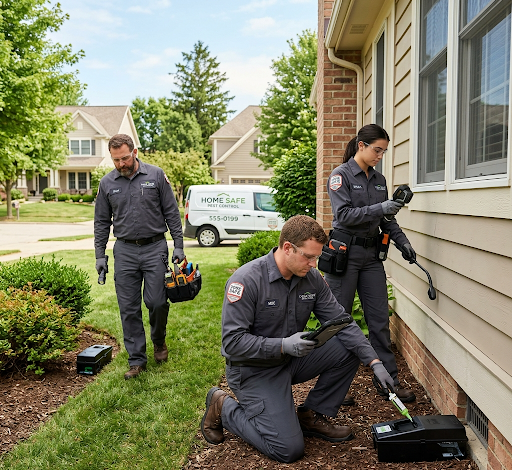
Comprehensive, long-term Rodent Removal starts with a full inspection that pinpoints exactly how rodents are entering and where they’re nesting—information that’s nearly impossible for homeowners to gather on their own. At Palm Beach Wildlife Services, this process goes beyond simply removing visible pests.
The team begins by inspecting the property inside and out, checking attics, crawl spaces, plumbing penetrations, and roofline access points. Once entry points are identified, exclusion work seals off these gaps to prevent future intrusions. Trapping and removal follow, using humane and effective methods tailored to the specific rodent species present.
What sets a professional approach apart is the follow-through: sanitizing affected areas, repairing damaged insulation or wiring where needed, and offering guidance on preventing repeat infestations. This full-circle service means homeowners aren’t just treating a symptom—they’re eliminating the underlying cause.
Keeping Rodents Out for Good
Once a property is rodent-free, a few ongoing habits help keep it that way:
- Trim tree branches and shrubs away from the roofline
- Store firewood away from the home’s exterior
- Seal gaps around utility lines, vents, and foundation cracks
- Keep food in sealed, chew-proof containers
- Schedule periodic inspections, especially before peak breeding seasons
Consistency matters here. Rodents are persistent, and a home that was cleared six months ago can still attract new activity if entry points reopen or landscaping changes create new access.
Take Back Your Home From Unwanted Guests
Rodents don’t knock before moving in, and they certainly don’t leave quietly once they’ve settled. The good news is that homeowners don’t have to face this battle with store-bought traps and guesswork. With the right inspection, exclusion, and removal process, a rodent-free home isn’t just possible—it’s the standard outcome.
Palm Beach Wildlife Services brings the experience and thoroughness needed to handle infestations at every stage, from the first scratching sound in the attic to the final seal on a potential entry point. Reaching out at the first sign of trouble is the simplest way to avoid the bigger headaches that come with a growing rodent population.