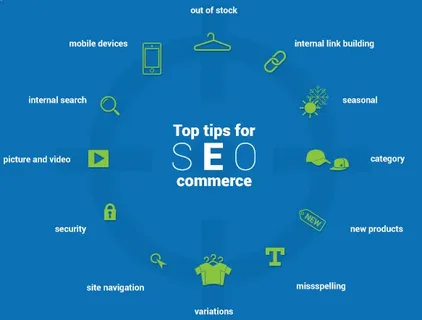
Running an online store involves more than listing products and waiting for customers to find them. Search visibility depends on how effectively a website communicates its products, structure, relevance and value to both users and search engines. For businesses working with Ecommerce SEO, the focus should extend beyond individual rankings and address the complete search experience, from discovery to product selection and purchase.
A well-optimised ecommerce website should make it easy for search engines to understand what each page offers while helping shoppers find the information they need. This requires attention to technical foundations, content quality, site architecture, mobile usability and the overall customer journey.
| Key Takeaways
● A clear website structure helps search engines discover and understand important pages. ● Product and category pages need useful, original information rather than thin descriptions. ● Technical performance, mobile usability and indexability can influence the search experience. ● Internal linking can distribute relevance and help users move between related products and categories. ● SEO should support both visibility and meaningful business outcomes. |
- Build a Clear Ecommerce Website Structure
Website architecture becomes particularly important as an online store grows. A retailer may have hundreds or thousands of products divided across multiple categories, collections and variations. Without a logical structure, important pages can become difficult for users and search engines to discover.
A strong architecture creates clear relationships between the homepage, categories, subcategories and individual products. It also reduces unnecessary navigation depth and makes internal linking more meaningful.
Keep Important Pages Easy to Reach
Product pages should generally be accessible through relevant category or collection pages rather than existing in isolation.
A logical structure can help search engines understand which products belong to which broader topics while giving shoppers a smoother browsing experience.
Consider:
- Organising products into clearly defined categories.
- Using descriptive and consistent URL structures.
- Avoiding unnecessary layers of navigation.
- Linking related categories and products where relevant.
- Optimise Product and Category Pages
Product pages are often the primary entry point for shoppers arriving from organic search. However, simply adding a product name and a short description rarely provides enough context to make the page genuinely useful.
| Ecommerce SEO Area | What to Focus On | Why It Matters |
| Product Pages | Original descriptions, specifications and FAQs | Helps users understand products and improves page relevance |
| Category Pages | Useful introductions and clear product groupings | Supports broader search visibility and navigation |
| Site Structure | Logical categories and URLs | Makes pages easier to discover and understand |
| Internal Linking | Relevant links between products and categories | Helps users navigate and distributes page relevance |
| Mobile Experience | Speed, usability and responsive design | Creates a smoother experience for mobile shoppers |
| Technical SEO | Indexability, redirects and canonical tags | Helps search engines crawl and interpret the website |
Create Useful Product Information
Product descriptions should explain features, specifications, benefits, use cases and other details that help customers make informed decisions.
Where appropriate, include:
- Original product descriptions.
- Relevant specifications and measurements.
- Frequently asked questions.
- Product availability information.
- High-quality images with descriptive alt text.
- Customer reviews and other useful supporting information.
Avoid copying manufacturer descriptions across numerous pages. Original content can make individual product pages more distinctive and useful.
Give Category Pages a Clear Purpose
A category page should do more than display a collection of products. A short introduction, useful supporting information and logical subcategory links can help visitors understand what they are viewing.
This also creates additional opportunities to establish topical relevance without unnecessarily repeating keywords.
- Strengthen Technical SEO Foundations
Technical issues can prevent even strong ecommerce content from performing as expected. Large online stores often face additional challenges because products are frequently added, removed or updated.
Pay Attention to Indexability
Search engines need to be able to crawl and understand pages that a business wants included in search results.
Important areas include:
- XML sitemaps.
- txt configuration.
- Canonical tags.
- Broken links.
- Duplicate URLs.
- Crawlable navigation.
- Appropriate indexation controls.
Faceted navigation and product filters require particular care because they can generate large numbers of similar URLs. Businesses should establish a clear approach to which variations need to be accessible to search engines.
- Make Mobile Experience a Priority
A significant proportion of ecommerce browsing happens on smartphones, making mobile usability an important consideration for online retailers. A website that is difficult to navigate on a smaller screen can create friction before a customer even reaches the checkout.
Improve Speed and Usability
Slow pages can make browsing frustrating, particularly when shoppers are comparing multiple products.
Businesses should consider:
- Compressing and properly sizing images.
- Reducing unnecessary scripts.
- Improving server response times.
- Making buttons and navigation elements easy to use.
- Keeping important content visible without excessive scrolling.
- Testing checkout processes on mobile devices.
Businesses looking for more detailed guidance can explore mobile SEO practices to strengthen the mobile side of their search strategy.
- Create Strong Internal Linking Connections
Internal links help users discover related information while giving search engines additional context about the relationship between pages. Ecommerce websites have many natural opportunities to build these connections.
For example, a category page can link to relevant subcategories, while a product page can connect shoppers with complementary products or related collections.
Link With Context and Purpose
Internal links should feel useful rather than inserted simply to increase the number of links on a page.
Useful approaches include:
- Linking products from relevant category pages.
- Connecting related product categories.
- Adding contextual links from buying guides to products.
- Linking informational content to relevant commercial pages.
- Using descriptive anchor text that explains the destination.
A thoughtful internal linking structure can help users navigate the site while making important pages easier for search engines to discover.
- Align Content With Search Intent
Different ecommerce searches indicate different levels of customer interest. Someone searching for a product category may still be researching, while someone searching for a specific model may already be close to making a purchase.
As search behaviour becomes more conversational and context-driven, businesses can also explore AI SEO strategies to make ecommerce content more relevant across evolving search experiences.
Match Content to the Customer Journey
Consider developing different types of content for different search needs.
For example:
- Informational searches: Buying guides, comparisons and educational resources.
- Category searches:Collection pages with useful product information.
- Product searches:Detailed product pages with specifications and reviews.
- Commercial research:Comparison pages, FAQs and product explainers.
This approach can make the website more useful while creating a broader range of opportunities to attract relevant search traffic.
- Use Structured Data Where Appropriate
Structured data can help search engines interpret information about products, prices, availability, reviews and other page elements. For ecommerce websites, this can provide additional context about the content of important pages.
Keep Product Information Consistent
Information presented through structured data should accurately reflect what visitors can see on the page.
Businesses should pay attention to:
- Product names.
- Review information.
- Product identifiers.
- Brand details where applicable.
Structured data should support accurate communication rather than being treated as a shortcut to better rankings.
- Measure More Than Organic Traffic
Traffic is useful, but it does not tell the complete story. An ecommerce website can receive substantial organic visits without generating meaningful commercial value if those visitors are not interested in the products or cannot complete their journey efficiently.
Measurement should connect search activity with business objectives.
Track Meaningful Ecommerce Signals
Depending on the business model, useful metrics may include:
- Organic conversions.
- Revenue from organic search.
- Product-level performance.
- Category visibility.
- Conversion rate.
- Engagement with key landing pages.
- Non-branded organic traffic.
- Assisted conversions.
Reviewing these signals regularly can help businesses identify which areas deserve further investment and which pages need improvement.
Final Takeaway
Successful ecommerce optimisation is not built around one isolated ranking factor. It comes from combining a technically sound website with useful product information, logical navigation, strong internal linking, mobile usability and content that matches customer intent.
For businesses looking to develop a sustainable search strategy, SEOCompany.me can help connect these different elements into a more structured approach.
Ready to Strengthen Your Ecommerce Search Visibility?
A well-structured ecommerce website can make it easier for customers to discover products, explore categories and take the next step. If you want to build a stronger organic search presence, explore the digital marketing solutions available from SEOCompany.me and find an approach suited to your business goals.
Frequently Asked Questions
- Why is SEO important for ecommerce websites?
SEO can help online stores become more visible when potential customers search for products, categories and related information. It can also help businesses attract visitors without relying entirely on paid advertising. A strong organic presence can support product discovery throughout different stages of the buying journey.
- What should an ecommerce website optimise first?
The starting point depends on the website’s existing condition. However, businesses commonly need to review technical accessibility, site structure, important product pages, category pages and mobile usability. Fixing fundamental issues first can provide a stronger foundation for future content and optimisation work.
- How can product pages become more search-friendly?
Product pages should provide original, detailed and useful information that answers the questions shoppers are likely to have. Clear titles, descriptions, specifications, images and relevant supporting content can all improve the usefulness of the page. Businesses should also avoid creating large numbers of near-identical pages with little unique value.
- Do internal links matter for ecommerce websites?
Yes. Internal links can help users move between related categories, products and informational resources. They can also help search engines understand the relationships between different sections of an ecommerce website. A well-planned internal linking structure is particularly valuable for larger stores with many products and categories.
- How often should an ecommerce website be reviewed for SEO issues?
SEO reviews should be ongoing, especially for stores that frequently add products, change categories or remove inventory. Technical problems can appear when website structures or product URLs change. Regular monitoring allows businesses to identify issues earlier and keep important pages accessible, useful and properly connected.