Qilei Song Powerful Biography: Inspiring Researcher in Chemical Engineering
A clear look at his education, research journey, achievements, and impact in membrane science and clean energy technology.

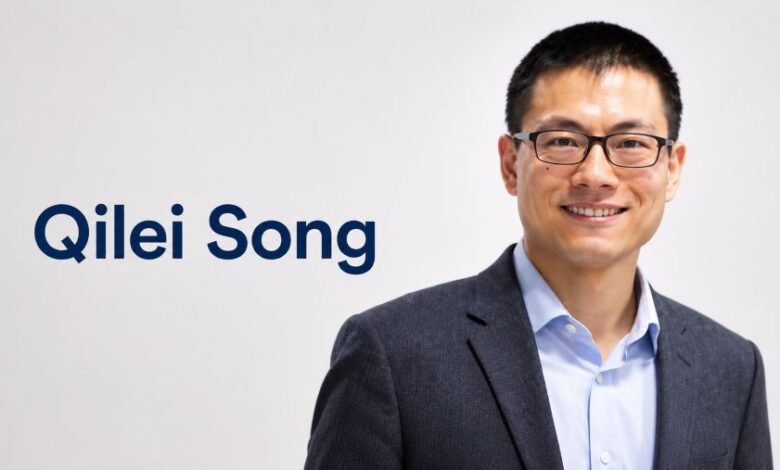
Introduction
Qilei Song is a respected researcher and academic in the field of chemical engineering. He is best known for his work on porous materials, advanced membranes, molecular separation, catalysis, energy conversion, and energy storage. His research has made him an important name in modern membrane science, especially in areas connected with low-carbon energy technologies.
He is a Reader, also known as an Associate Professor, in the Department of Chemical Engineering at Imperial College London. His career is a positive example of how strong education, focused research, and scientific discipline can create useful solutions for real-world problems. At the same time, his field also shows a serious challenge: without better materials and energy systems, clean energy progress can become slower and harder.
Quick Bio
| Field | Information |
|---|---|
| Full Name | Dr Qilei Song |
| Real Name | Qilei Song |
| Native Name | 宋启磊 |
| Gender | Male |
| Profession | Researcher and academic |
| Current Role | Reader / Associate Professor in Chemical Engineering |
| Institution | Imperial College London |
| Department | Department of Chemical Engineering |
| Famous For | Porous materials, membrane technology, molecular separation, and energy materials |
| Research Group | Functional Membranes and Energy Materials Group |
| Bachelor’s Degree | Energy Engineering, Southeast University |
| Master’s Degree | Energy Engineering, Southeast University |
| PhD | Polymer and Soft Matter Physics, University of Cambridge |
| ORCID | 0000-0001-8570-3626 |
| Major Recognition | IChemE Nicklin Medal and RSC Materials Chemistry Horizon Prize team recognition |
Qilei Song Early Life and Academic Direction
Qilei Song’s public biography is mainly connected with his education, scientific training, and academic career. His early academic path began in energy engineering, a field that studies how energy is produced, converted, stored, and used. This background helped him understand the technical importance of cleaner energy systems and efficient material design.
During his university years, he developed a strong interest in research connected with clean combustion, carbon capture, and energy-related technologies. This early direction later helped shape his move into chemical engineering, porous polymers, and membrane science. His journey shows how a researcher can begin in one technical area and then build a wider scientific career through focused study and laboratory experience.
Education
Qilei Song studied Energy Engineering at Southeast University in Nanjing, China. He completed his Bachelor’s degree in 2006 and later earned his Master’s degree in the same field in 2009. This education gave him a strong foundation in energy systems, engineering principles, and applied scientific research.
After completing his studies in China, he continued his higher education at the University of Cambridge in the United Kingdom. He completed his PhD in Polymer and Soft Matter Physics at the Cavendish Laboratory in 2014. This advanced training allowed him to work deeply with polymer materials, molecular structures, and the physical behavior of soft matter, which later became important in his membrane research.
Special Research Training
His doctoral work at Cambridge played an important role in building his expertise in polymer science and functional materials. The Cavendish Laboratory is known for advanced physics research, and his time there helped him connect physical science with practical chemical engineering applications.
After his PhD, he stayed at Cambridge as a Research Associate. This postdoctoral experience helped him continue working on advanced materials and gave him more research independence before he joined Imperial College London. It also helped prepare him for a long-term academic career focused on membrane technology and energy materials.
Career Start
Qilei Song started his professional research career through academic research roles after completing his doctoral studies. His early career included postdoctoral work at the University of Cambridge, where he continued developing expertise in polymers, porous structures, and material performance.
In 2014, he joined Imperial College London as an Imperial College Junior Research Fellow. This was an important step because it gave him a platform to develop his independent research direction. At Imperial, he became part of a strong chemical engineering environment and started building research work connected with functional nanoporous materials.
Complete Career Overview
In 2016, he was appointed Lecturer in Chemical Engineering at Imperial College London. Around this period, he continued his work on functional nanoporous materials and began building a research group focused on membranes and energy materials. His academic progress reflects consistent growth from early research training to leadership in a specialized scientific field.
Today, he is known as a researcher whose work supports important applications in molecular separations, gas separation, water purification, ion transport, energy storage, electrolysers, fuel cells, lithium extraction, plastic recycling, and battery recycling. His career is not built on public entertainment or media attention, but on scientific contribution, research leadership, and technical impact.
Career Timeline
| Year | Career Event |
|---|---|
| 2006 | Completed Bachelor’s degree in Energy Engineering at Southeast University |
| 2009 | Completed Master’s degree in Energy Engineering at Southeast University |
| 2014 | Completed PhD at the University of Cambridge |
| 2013–2014 | Worked as a Research Associate at the University of Cambridge |
| 2014 | Joined Imperial College London as an Imperial College Junior Research Fellow |
| 2016 | Appointed Lecturer in Chemical Engineering at Imperial College London |
| 2016 | Established the Functional Membranes and Energy Materials Group |
| 2016 | Received the IChemE Nicklin Medal |
| 2019 | Received an ERC Starting Grant |
| 2023 | Became part of the RSC Materials Chemistry Horizon Prize-winning Microporous Membranes Team |
| 2025 | Listed with an ERC Consolidator Grant connected with ion-selective membrane research |
| Present | Reader / Associate Professor in Chemical Engineering at Imperial College London |
Research Work and Scientific Focus
His research mainly focuses on the design and development of functional porous materials and advanced membranes. These materials are important because they can help separate molecules, ions, and gases more efficiently. Better separation technology can improve chemical production, water treatment, clean energy systems, and environmental processes.
As a researcher, he works in an area where small material changes can create large practical benefits. For example, membranes can help improve redox flow batteries, support hydrogen-related technologies, assist lithium extraction, and improve recycling systems. This makes his research useful not only for academic science but also for industries working toward cleaner and more sustainable technologies.
Functional Membranes and Energy Materials Group
Qilei Song leads the Functional Membranes and Energy Materials Group at Imperial College London. The group studies membrane and energy materials for low-carbon technologies. Its research connects chemical engineering, materials science, polymer chemistry, and electrochemical systems.
The group’s work includes gas separation, chemical separation, ion separation, redox flow batteries, electrolysers, fuel cells, lithium extraction, and recycling-related technologies. This type of research is important because modern energy systems need materials that are selective, durable, efficient, and scalable for real-world use.
Major Achievements
One of his important achievements came in 2016 when he received the IChemE Nicklin Medal. This recognition highlighted his contribution to next-generation microporous membrane materials. Awards like this show that his work was noticed by the chemical engineering community at an early stage of his independent academic career.
Another important achievement came through the Microporous Membranes Team, which received the Royal Society of Chemistry Materials Chemistry Horizon Prize: Stephanie L Kwolek Prize. This team recognition was connected with the development of new membranes for organic-based redox-flow batteries, a technology that can support large-scale energy storage.
Grants and Research Recognition
In 2019, he received an ERC Starting Grant for research connected with highly conductive and selective membranes. This grant supported work on membrane materials with potential value in flow battery systems. Such funding is important because it allows researchers to test new ideas, build teams, and move laboratory discoveries closer to practical applications.
His profile also lists an ERC Consolidator Grant connected with molecular engineering of ion-selective membranes. This shows continuing recognition of his research direction and scientific leadership. For a researcher, long-term grant success is a sign of strong ideas, technical depth, and confidence from scientific funding bodies.
Public Image and Professional Personality
His public image is centered on academic seriousness, research leadership, and clean-energy innovation. He is not known for celebrity-style publicity; instead, he is known for technical work in chemical engineering and materials science. This makes his profile different from public figures in entertainment, sports, or politics.
His professional personality appears to be connected with focus, discipline, and long-term scientific thinking. His work requires patience because advanced membrane research can involve years of testing, material design, and performance improvement. A positive side of this career is that it can create useful solutions, while a negative side is that scientific progress can be slow and technically difficult.
Personal Life
Public information about his personal life is limited because his public identity is mainly professional and academic. His biography is therefore best understood through his education, research career, awards, and work at Imperial College London.
This focus on professional life is common for researchers and university academics. Their public profiles usually highlight education, publications, research groups, grants, and scientific achievements rather than private family details.
Legacy and Impact
Qilei Song’s legacy is developing through his work on functional membranes and energy materials. His research supports important areas such as clean energy storage, selective ion transport, molecular separation, and sustainable chemical engineering. These areas are becoming more important as the world searches for better low-carbon technologies.
His impact is also visible through his research group, academic publications, awards, and funded projects. As a researcher, he contributes to both scientific knowledge and practical technology development. His work can help improve future systems for energy storage, water treatment, recycling, and cleaner industrial processes.
Interesting Facts
Qilei Song studied energy engineering before moving into polymer physics and chemical engineering. This mixed background gives him a strong base for working across materials science, energy technology, and membrane research.
He completed his PhD at the University of Cambridge and later built his academic career at Imperial College London. His work is especially connected with microporous polymers, ion-selective membranes, redox flow batteries, and low-carbon energy applications.
Conclusion
Qilei Song is a respected researcher whose career shows the value of deep scientific training and focused innovation. From Southeast University to the University of Cambridge and Imperial College London, his journey reflects steady academic growth and meaningful contribution to chemical engineering.
His work on porous materials, membranes, and energy systems has importance for both science and society. As clean energy and sustainable technologies become more necessary, researchers like him play an important role in solving difficult technical problems and building better systems for the future.
FAQs
Who is Qilei Song?
He is a researcher and Reader / Associate Professor in Chemical Engineering at Imperial College London.
What is he famous for?
He is famous for research on porous materials, membrane technology, molecular separation, and energy materials.
Where does he work?
He works in the Department of Chemical Engineering at Imperial College London.
What did he study?
He studied Energy Engineering at Southeast University and completed a PhD at the University of Cambridge.
What is his main research area?
His main research area is functional membranes and energy materials for separation and clean-energy technologies.
What is known about his family background?
His public biography focuses on his academic work, research career, and education.
What is known about his personal life?
His public profile mainly presents his professional achievements and scientific contributions.
Has he won any major award?
He received the IChemE Nicklin Medal and was part of an RSC Materials Chemistry Horizon Prize-winning team.
What was his career breakthrough?
His appointment at Imperial College London and recognition for microporous membrane research were major career milestones.
Why is his research important?
His research supports cleaner energy storage, better separation systems, and sustainable chemical engineering.