How Long Do You Need for a Himalayan Trek? Comparing Annapurna Circuit, Short ABC and Langtang Valley

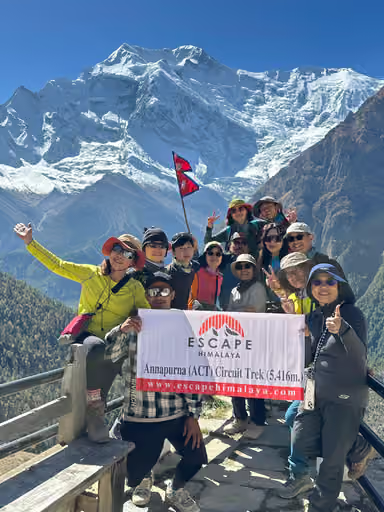
Choosing a Himalayan Trek That Fits Your Available Time
You’ve got ten days off work, a flight into Kathmandu, and a head full of mountain photos. Then the real question lands: which trek actually fits? Almost everyone planning a first Nepal trip hits this wall. The Himalayas don’t come in one size. Some routes want three weeks, others squeeze into a long week, and the gap between “possible on paper” and “enjoyable on the trail” is bigger than most itineraries admit.
This guide compares the Annapurna Circuit Trek, the Short Annapurna Base Camp Trek and the Langtang Valley Trek through one practical lens: time. Not only walking days, but the travel, acclimatisation and spare days a real trip needs. Duration shifts with your route, fitness, the weather, road conditions and your own pace, so treat every number here as a planning range. We’ll look at landscapes and village culture along the way too, because the right trek is never only about the calendar.
How Many Days Do You Need for Each Himalayan Trek?
Let’s put the numbers on the table first. One thing trips people up straight away: walking days and holiday days are not the same thing. You need time to reach the trailhead, time to get back, and a day or two in Kathmandu or Pokhara in case a bus runs late or the weather turns.
| Trek | Approximate Trekking Duration | Overall Trip Planning |
| Annapurna Circuit Trek | 12–18 days or longer, depending on route | Around 16–22 days |
| Short Annapurna Base Camp Trek | 5–7 days | Around 7–10 days |
| Langtang Valley Trek | 7–9 days | Around 9–12 days |
These are indicative ranges, not fixed itineraries. A route that starts higher up the trail by jeep will be shorter than one that begins at the lower end of the road. Return transport matters as well. Finishing in a different town from where you started can save a day, or quietly cost you one if the connections are awkward. Ask whoever organises your trip exactly where day one begins and where the last day ends, then count from there.
Annapurna Circuit Trek: Allow Two to Three Weeks for a More Complete Journey
Why this one takes the longest
The Annapurna Circuit Trek is the slow burn of the three. The scenery changes almost day by day, starting in warm valleys with terraced farmland, then climbing through forest and finally opening into dry, wind-scraped mountain country. You can’t rush that kind of change, and honestly you wouldn’t want to.
Along the way you pass through traditional villages, with Manang and the settlements around it being the best known. The cultural mix shifts too. Gurung and Thakali communities shape some sections, while Tibetan Buddhist influence gets stronger as the trail climbs.
The big moment is Thorong La Pass at 5,416 metres. Getting there comfortably means gaining height gradually and building rest into the schedule, usually around Manang. Several walking days in a row, altitude gain and changing trail conditions take a toll on the body. Rushing the crossing is simply a bad planning decision. If you feel off, you want spare days in your pocket, not a flight home that forces you over the pass anyway.
Roads have also changed parts of this route over the years. Some traditional sections are now affected by vehicle tracks, so trekkers often pick their start and end points carefully. Check the planned route before you commit, and build in extra days for weather delays and transport changes you can’t predict.
Practical notes
Plan for roughly 16 to 22 days in total. Your start and end points depend on the version of the itinerary you choose, so confirm those early. Expect simple lodges for accommodation and meals along most of the trail, though choice gets thinner at height. Pack and prepare for cold, high-altitude conditions, not just a long walk.
Short Annapurna Base Camp Trek: A Mountain Journey for Limited Holidays
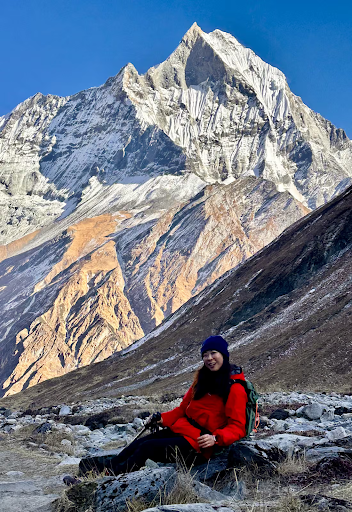
Not everyone has two or three weeks. The Short Annapurna Base Camp Trek is built for people who want to stand in the middle of a ring of Himalayan giants without giving up their whole holiday. A tighter itinerary heads into the Annapurna Sanctuary by a more concentrated route, so there’s less wandering and more steady progress.
The scenery still earns its place. You start among villages and farmland, then slip into forest, bamboo groves and eventually an alpine setting. Gurung and Magar villages sit along the trekking corridor, and the cultural feel is warm and lived-in rather than staged.
The payoff is Annapurna Base Camp at roughly 4,130 metres, with Annapurna I and Machhapuchhre rising close by and other Himalayan peaks around them. Daily walking hours and your starting point change the shape of the itinerary quite a lot, so ask what a typical day actually looks like.
Short does not mean easy or casual. You still need decent preparation, sensible acclimatisation and realistic expectations about stairs, which this trail has plenty of.
Practical notes
A typical schedule runs five to seven days of trekking. You’ll need road transport to and from the trailhead, and lodges provide accommodation and meals on the way. Build some fitness beforehand. And try to keep one buffer day free. It costs little, and it can save the whole trip if weather or transport throws a curveball.
Langtang Valley Trek: A Week or More Among Mountain Villages and Himalayan Culture
Langtang Valley Trek lies north of Kathmandu, close to the Tibetan border. For travellers who want a shorter Himalayan journey but fancy something other than the Annapurna region, it’s a strong choice.
The trail starts in Syabrubesi and follows rivers through forest, past settlements and up into mountain villages. Langtang Village and Kyanjin Gompa are the important stops. Tibetan Buddhist traditions and Tamang culture are part of everyday life here, visible in the architecture, the monasteries and local customs. You notice it in small things, like prayer flags and stone walls, long before anyone explains it.
Higher up, the landscape opens into alpine meadows, glaciers and the wide mountain surroundings of Kyanjin. With enough time, fitness and decent conditions, some trekkers add Kyanjin Ri or Tserko Ri for a better viewpoint. Don’t be fooled by the modest duration, though. The trek involves a lot of altitude gain in not many days.
Practical notes
Expect seven to nine days on the trail. Getting from Kathmandu to Syabrubesi is a road journey, so count it as a real travel day. Lodges handle accommodation and food. Keep altitude in mind from the start, and add days if you want the viewpoints or need flexibility for the weather.
What Actually Determines the Length of Your Himalayan Trek?
Acclimatisation and fitness
Higher elevations need a gradual ascent and rest days that give your body time to adjust. Fitness matters too, since walking speed, endurance and recovery differ a lot from person to person. Two people on the same trail can need quite different schedules.
Transport, weather and trail conditions
Road journeys, trailhead access and return transfers can add or remove days from the total. Rain, snow, landslides and mountain weather can delay things as well, and they rarely ask permission.
Your own travel style
Some people love long walking days. Others want time for village visits, photography and tea stops that stretch into an hour. Both are valid, but they lead to different schedules. The shortest itinerary is not always the most practical or the most enjoyable one.
Which Trek Should You Choose According to Your Available Time?
With around one week, the Short Annapurna Base Camp Trek is a possible choice, as long as transport and itinerary arrangements fit the days you actually have.
With around 9 to 12 days, Langtang Valley offers a rewarding balance of mountain scenery, village experiences and trekking time.
With around 16 to 22 days, the Annapurna Circuit makes sense for anyone wanting a longer journey with more geographical and cultural variety.
Still, the calendar shouldn’t be the only voice in the room. Trekking ability, altitude experience and personal interests matter just as much. Think about the experience you want, not only how many days a trek takes.
Practical Planning: Seasons, Permits, Guides and Extra Days
Spring and autumn are the main trekking seasons. Check current permit requirements and local regulations before you leave, since rules can change. Sort out suitable clothing, footwear, insurance and an emergency plan. A knowledgeable local guide and reliable transport make a real difference, and a buffer day in Kathmandu or Pokhara is worth keeping where it applies. If you want to talk through route logistics, itinerary length and local arrangements, Escape Himalaya is a Nepal trekking company you can consult.
Final Thoughts: Give Your Himalayan Trek Enough Time
The Annapurna Circuit suits longer holidays, the Short ABC fits tighter schedules, and Langtang Valley sits comfortably in the middle. Whatever you pick, leave room for acclimatisation, village exploring and the delays nobody plans for. The right Himalayan trek isn’t the one that squeezes into the fewest days. It’s the one you can finish comfortably and actually enjoy.
READ ALSO: Trekking in Nepal: Explore Ancient Tibetan Villages, Nar Phu Valley and Manaslu’s Mountain Trails