Philip Falcone: His Life, Hockey Years and Wall Street Career
The story of an American businessman who went from playing ice hockey in Minnesota to managing billions of dollars on Wall Street.

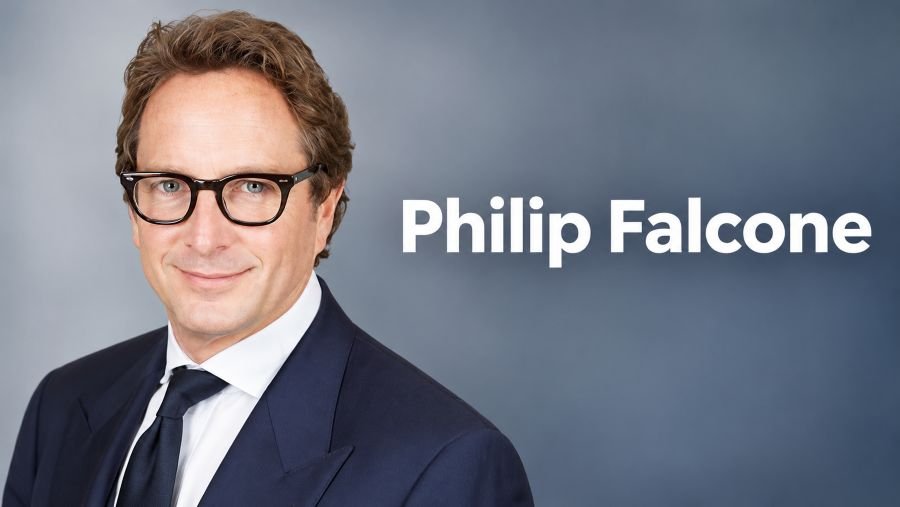
Introduction
Philip Falcone built his name in finance. His journey started far from Wall Street.
He grew up in Minnesota. Hockey was his first passion. But a sports injury changed his plans.
Years later, he became a well-known hedge fund manager. His investment decisions during the 2007 financial crisis brought him enormous attention.
His career had difficult chapters, too. A failed telecommunications investment and legal problems changed the direction of his business life.
So, who is Philip Falcone? Here is his story.
Philip Falcone Quick Facts
| Detail | Information |
|---|---|
| Full Name | Philip A. Falcone |
| Birthplace | Chisholm, Minnesota, USA |
| Nationality | American |
| Profession | Businessman and investor |
| Education | Harvard University |
| Degree | A.B. in Economics |
| Graduation Year | 1984 |
| Known For | Harbinger Capital Partners |
| Former Business Venture | LightSquared |
| Former Leadership Role | CEO of HC2 Holdings |
| Spouse | Lisa Maria Falcone (married in 1997) |
| Children | Two daughters |
| Historical Net Worth | $1 billion, according to Forbes in 2014 |
| Recent Business Activity | Digix and GOLDN Digital |
Early Life and Family Background
Falcone grew up in Chisholm, Minnesota. It was a small working-class town.
Money was limited at home.
He was the youngest of nine children. His family lived in a three-bedroom house.
His father worked as a utility superintendent. His mother worked at a local shirt factory.
Life there was fairly simple. Hockey was a big local sport, and young Philip became a strong player.
His talent opened new doors.
He attended Chisholm Senior High School. His performance on the ice helped him reach Harvard University.
That changed his future.
Education at Harvard University
Harvard was a major change. Falcone came from a small Minnesota town.
He studied economics at the university. He also played varsity ice hockey.
His teammates knew him as hardworking and competitive.
In 1984, he graduated with an A.B. in Economics.
Still, finance wasn’t his first career choice.
He wanted to play hockey professionally.
His Professional Hockey Career
After Harvard, he moved to Sweden.
He played professional hockey in Malmö. This gave him a chance to continue the sport he loved.
Then came an injury.
A leg injury ended his professional playing career after a short period.
He needed another career.
With an economics degree and a strong interest in business, he moved to New York.
His next challenge was Wall Street.
How Philip Falcone Started in Finance
In 1985, he joined Kidder, Peabody & Co.
He worked with high-yield and distressed securities. These investments often involved companies facing financial pressure.
It was demanding work.
He learned how debt markets behaved. He also studied businesses with serious financial problems.
Later, he tried running a company himself.
In the early 1990s, he joined a friend in buying a hairbrush manufacturing business.
The venture struggled.
He returned to investment banking and trading.
From 1997 to 1998, he worked at Gleacher NatWest. He then managed high-yield and distressed trading operations at Barclays Capital until 2000.
These jobs helped build his investment experience.
Founding Harbinger Capital Partners
The big move came in 2001.
Falcone co-founded Harbinger Capital Partners with financial backing from Harbert Management Corporation.
The initial backing was approximately $25 million.
His investment approach was different from ordinary stock buying.
He looked for companies facing problems. He also studied debt that other investors might avoid.
Some of those investments became profitable.
Harbinger took a large position in Australian iron ore company Fortescue Metals Group.
Its growing value helped the fund.
By the end of 2006, Harbinger managed approximately $5 billion.
The following year changed everything.
How He Made Money During the 2007 Financial Crisis
Falcone became famous for one major decision.
He bet against the US subprime mortgage market.
At the time, many investors believed mortgage-related securities would keep performing well.
He saw serious risks.
He spent months studying the loans behind these investments. Then he built a large position that could profit if their values fell.
That prediction proved profitable.
As the mortgage market weakened, Harbinger earned enormous returns.
Its flagship fund gained more than 100% in 2007, according to financial reporting.
Falcone personally earned an estimated $1.7 billion that year, according to Forbes.
Harbinger’s assets later reached approximately $26 billion at their peak.
But the good period didn’t last.
The flagship fund lost more than 29% in 2008. Investors began pulling money from the business.
His career entered a tougher period.
Major Business Investments
Falcone invested across several industries.
His interests extended beyond hedge funds.
Some of his best-known business investments and roles included:
- Fortescue Metals Group: A major investment in Australia’s iron ore industry.
- The New York Times Company: Harbinger became a significant shareholder.
- LightSquared: A telecommunications business backed by his investment firm.
- Harbinger Group: A publicly traded holding company where he held leadership roles.
- HC2 Holdings: A diversified holding company he later led.
- Minnesota Wild: He purchased a minority ownership stake in the NHL team in 2008.
These were investments made at different times. They should not be treated as his current holdings.
What Happened to LightSquared?
LightSquared was a major business setback.
The company planned to build a nationwide wireless broadband network in the United States.
Its system would combine satellite services with ground-based wireless infrastructure.
Falcone backed the project through Harbinger.
But a major problem appeared.
Government testing found that the proposed network could interfere with GPS equipment.
This raised concerns about aviation, navigation, and other services.
In 2012, US regulators blocked the proposed network from moving ahead under its existing plan.
LightSquared filed for Chapter 11 bankruptcy protection in May 2012.
The failure damaged one of Falcone’s largest investments.
SEC Investigation and Legal Settlement
Another serious chapter followed.
In June 2012, the US Securities and Exchange Commission brought civil fraud charges against Falcone and Harbinger Capital Partners.
The investigation covered several issues.
The SEC alleged that he improperly used $113.2 million from a hedge fund to pay personal taxes.
It also raised concerns about certain investor arrangements and bond market transactions.
In 2013, Falcone and Harbinger agreed to a settlement.
They admitted specified misconduct.
The settlement required more than $18 million in combined financial payments.
Falcone was also barred from associating with certain securities-industry businesses for at least five years, with the right to apply for reinstatement afterward.
The case became a significant part of his public financial record.
Leadership at HC2 Holdings
Falcone later focused on holding companies.
He served in senior roles at Harbinger Group, which subsequently became HRG Group.
He also became president and chief executive officer of HC2 Holdings in 2014.
HC2 owned interests in different business sectors.
His work included overseeing investments and corporate operations.
In June 2020, the company announced a leadership change.
Wayne Barr Jr. replaced him as interim CEO.
That ended Falcone’s time leading HC2.
What Is Philip Falcone Doing in 2026?
His business interests have continued to change.
In 2021, he became CEO of Madison Technologies.
Company filings show that shareholders removed him from its board in November 2023.
More recently, the websites for Digix and GOLDN Digital have identified him as a founder or co-founder and CEO.
These ventures describe work involving digital assets, commodities, and investment structures.
However, public information about their financial performance remains limited.
For that reason, their reported business results should not be treated as independently confirmed.
Philip Falcone Net Worth
Falcone was once counted among America’s billionaires.
Forbes estimated his wealth at $1 billion in March 2014.
His biggest financial success came from investments tied to the US mortgage crisis.
He also invested in mining, telecommunications, and holding companies.
But business losses and financial disputes affected his later career.
There is no independently verified figure available for his personal net worth in 2026.
So, the historical Forbes estimate should not be presented as his current fortune.
Philip Falcone Wife and Children
Falcone married Lisa Maria Velasquez in 1997.
She became publicly known as Lisa Maria Falcone.
The couple have twin daughters, Carolina and Liliana.
Their family attracted media coverage during his years as a billionaire hedge fund manager.
They also became known for their New York property purchases.
A 2011 Vanity Fair profile discussed the family’s lifestyle and public attention.
However, older reports do not confirm every detail of their present personal circumstances.
His Interest in Hockey and Philanthropy
Hockey remained important to him.
Even after leaving professional sports, he maintained an interest in the game.
In 2008, he bought a 40% ownership stake in the Minnesota Wild hockey team.
That investment connected his financial career with his sporting background.
He and Lisa Maria also supported charitable projects.
In 2009, they were reported to have matched a $10 million contribution for New York City’s High Line park project.
These activities received attention alongside his investment career.
Philip Falcone Career Timeline
| Year | Career Event |
|---|---|
| 1984 | Graduated from Harvard University |
| 1985 | Started working at Kidder, Peabody & Co. |
| 1990s | Worked in business ownership and trading |
| 1997 | Joined Gleacher NatWest |
| 1998 | Joined Barclays Capital |
| 2001 | Co-founded Harbinger Capital Partners |
| 2007 | Made major gains from mortgage-related investments |
| 2008 | Harbinger reached approximately $26 billion in assets at its peak |
| 2012 | LightSquared filed for bankruptcy |
| 2013 | Reached settlement with the SEC |
| 2014 | Became CEO of HC2 Holdings |
| 2020 | Departed the HC2 CEO position |
| 2021 | Became CEO of Madison Technologies |
| 2023 | Removed from Madison Technologies leadership |
| 2026 | Listed in leadership information for Digix and GOLDN Digital |
Final Thought
Philip Falcone’s career has seen big changes.
He started as a hockey player. An injury pushed him toward finance.
His investment decisions brought enormous wealth and attention.
But major setbacks followed.
LightSquared’s bankruptcy, the SEC settlement, and changes in his executive roles became lasting parts of his story.
Today, his name remains connected with one of Wall Street’s best-known trades during the mortgage crisis.
His career shows how quickly fortunes can change in high-risk investing.
Frequently Asked Questions
1. Who is Philip Falcone?
Philip Falcone is an American businessman and investor. He is best known for co-founding Harbinger Capital Partners and profiting from the US subprime mortgage crisis.
2. Where was Philip Falcone born?
He was born in Chisholm, Minnesota, in the United States.
3. How old is Philip Falcone?
His exact birth date is not consistently confirmed across reliable public records, so a precise current age is not included.
4. Where did Philip Falcone study?
He attended Harvard University and earned an A.B. in Economics in 1984.
5. How did Philip Falcone become rich?
He built wealth through hedge fund investments. His most famous success involved betting against US subprime mortgage securities before the financial crisis.
6. What is Philip Falcone’s net worth?
Forbes estimated his net worth at $1 billion in March 2014. A reliable current estimate for 2026 is not established.
7. Who is Philip Falcone’s wife?
He married Lisa Maria Velasquez, known publicly as Lisa Maria Falcone, in 1997. They have two daughters.
8. What happened to Philip Falcone’s hedge fund?
Harbinger Capital enjoyed major investment gains but later faced losses, investor redemption difficulties, and SEC enforcement action. The 2013 settlement also restricted Falcone’s securities-industry activities.