Florent Mouliere: Powerful Researcher Advancing Liquid Biopsy Science
A clear biography of a cancer biomarker expert shaping modern cell-free DNA research

Introduction
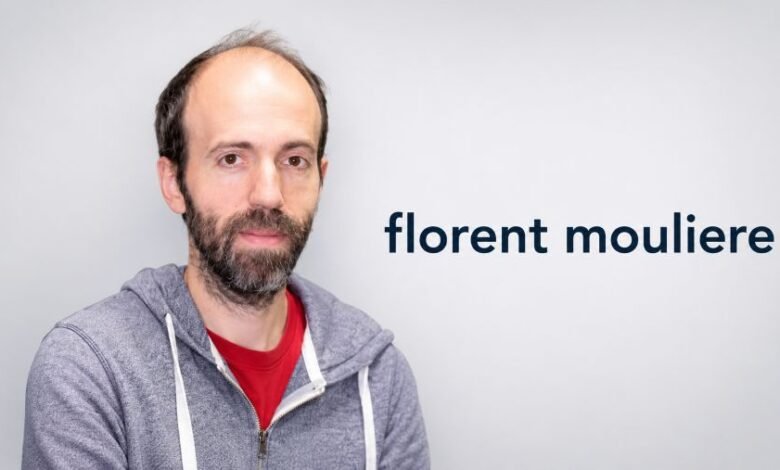
Florent Mouliere is a respected Researcher known for his work in cancer biomarker science, liquid biopsy, cell-free DNA, circulating tumour DNA, and fragmentomics. His career is connected with some of Europe’s strong biomedical research environments, including the University of Montpellier, the Cancer Research UK Cambridge Institute, Amsterdam University Medical Centre, and the Cancer Research UK National Biomarker Centre at The University of Manchester.
His work is positive because it supports the development of less invasive ways to study cancer through blood, urine, and other biological fluids. At the same time, the field is challenging because cancer signals in body fluids can be very small, complex, and difficult to interpret. Florent Mouliere has built his scientific profile by working on these difficult questions with modern sequencing, computational analysis, and biomarker methods.
Quick Bio
| Field | Details |
|---|---|
| Full Name | Florent Mouliere |
| Professional Title | Dr. |
| Profession | Researcher, cancer scientist, academic team leader |
| Known For | Liquid biopsy, cell-free DNA, circulating tumour DNA, fragmentomics |
| Current Role | Team Lead, Nucleic Acid Biomarkers |
| Current Institution | Cancer Research UK National Biomarker Centre, The University of Manchester |
| Research Area | Cancer genomics, nucleic-acid biomarkers, extracellular biology |
| ORCID | 0000-0001-7043-0514 |
| Education Highlight | Graduated in 2012 from the SysDiag laboratory, University of Montpellier |
| Career Highlight | Assistant Professor at Amsterdam University Medical Centre from 2018 to 2023 |
Who Is Florent Mouliere?
Florent Mouliere is a cancer-focused Researcher whose work centers on understanding biological information carried by nucleic acids in human body fluids. In simple words, he studies tiny DNA and RNA signals that can help scientists learn more about cancer without always depending on traditional tissue biopsy. This makes his work important for modern cancer research, especially in the growing field of liquid biopsy.
Florent Mouliere is not a celebrity in the entertainment sense, but he has a strong public identity in academic science. His reputation comes from research output, scientific collaboration, and leadership in biomarker discovery. He is best known for helping advance methods that study cell-free DNA structure, DNA fragment patterns, and tumour-derived molecular signals in blood and other samples.
Education and Academic Foundation
Florent Mouliere graduated in 2012 from the SysDiag laboratory at the University of Montpellier in France. This stage gave him a strong base in molecular diagnostics and biological research. His early academic direction was closely linked with circulating DNA and the use of molecular signals to understand disease.
After this foundation, Florent Mouliere completed postdoctoral research at the Cancer Research UK Cambridge Institute, University of Cambridge. This period strengthened his position in cancer biology, genomics, and liquid biopsy research. It also connected his work with advanced scientific environments focused on understanding cancer at a molecular level.
Career Start
The career of Florent Mouliere began in the field of molecular analysis and circulating nucleic acids. His early research focused on how DNA fragments in the bloodstream could provide useful information about cancer. This was an important direction because scientists were searching for better ways to detect and monitor cancer without always using invasive methods.
As a Researcher, he developed a strong interest in cell-free DNA biology. Cell-free DNA refers to DNA fragments that circulate outside cells, often in blood plasma. In cancer research, a small part of this DNA may come from tumour cells. Studying those fragments can help researchers understand cancer mutations, tumour burden, treatment response, and disease progression.
Career Timeline
| Period | Career Detail |
|---|---|
| 2012 | Graduated from the SysDiag laboratory, University of Montpellier, France |
| After 2012 | Completed postdoctoral research at Cancer Research UK Cambridge Institute, University of Cambridge |
| 2018–2023 | Served as Assistant Professor at Amsterdam University Medical Centre |
| 2023–Present | Became Team Lead of Nucleic Acid Biomarkers at Cancer Research UK National Biomarker Centre, The University of Manchester |
This timeline shows that Florent Mouliere’s professional journey has moved through France, the United Kingdom, and the Netherlands. Each stage added depth to his work in cancer biomarkers, sequencing, computational methods, and liquid biopsy science.
Current Role at Cancer Research UK National Biomarker Centre
Florent Mouliere currently leads the Nucleic Acid Biomarkers team at the Cancer Research UK National Biomarker Centre. This role places him in a research environment focused on biomarker discovery, cancer biology, clinical translation, and advanced technology. His team works on finding biological patterns in human bio-fluids and turning those patterns into useful research tools.
The team studies nucleic-acid biomarkers using genomic, epigenomic, fragmentomic, and transcriptomic information. This means they do not study only one type of signal. Instead, they look at several layers of biological data to understand cancer more deeply. This multi-layered approach is powerful because cancer is complex and cannot always be understood through a single measurement.
Research Focus
The main research focus of Florent Mouliere includes liquid biopsy, cell-free DNA, circulating tumour DNA, fragmentomics, and cancer genomics. Liquid biopsy is one of the most important areas in modern cancer research because it allows scientists to study cancer-related signals through samples such as blood, urine, or cerebrospinal fluid. This can be easier for patients than repeated tissue biopsies.
Fragmentomics is another key area connected with his work. It studies the size, structure, and pattern of DNA fragments. These patterns can carry useful clues about where the DNA came from and whether it may be linked with cancer. Florent Mouliere has contributed to research that explores how fragment features can improve the detection and understanding of tumour-derived DNA.
Major Scientific Contributions
Florent Mouliere has contributed to the study of cell-free DNA structure in cancer. His work has helped show that DNA fragments are not random pieces of information. Their size, shape, and distribution can provide meaningful biological clues. This is one reason his research is important in the development of fragmentomics as a useful area in liquid biopsy science.
His contributions also include work on multi-modal liquid biopsy tools, machine-learning approaches for plasma whole-genome sequencing, and real-time sequencing analysis. These areas combine biology and computation, making his work useful for scientists who want to study cancer with greater detail and accuracy. The positive side is that these methods may support better monitoring in the future. The difficult side is that such technologies must be carefully tested before they can become routine clinical tools.
Publications and Research Output
Florent Mouliere has a strong research output listed through academic and institutional profiles. His publications cover liquid biopsy in oncology, cell-free DNA fragmentomics, tumour DNA profiling, brain tumour research, Ewing sarcoma monitoring, and small cell lung cancer DNA profiling. These topics show that his work is not limited to one cancer type or one method.
As a Researcher, he works in an area where scientific papers often involve large teams, advanced laboratory methods, clinical samples, and complex data analysis. His publication record reflects collaboration across cancer biology, genomics, bioinformatics, and translational medicine. This is important because biomarker science usually requires teamwork between laboratory scientists, clinicians, computational experts, and technology developers.
Why His Work Matters
Florent Mouliere’s work matters because cancer research needs safer, faster, and more informative ways to study disease. Traditional biopsies can provide valuable information, but they may also be invasive, difficult to repeat, or hard to perform depending on tumour location. Liquid biopsy research offers another way to study cancer signals through body fluids.
The importance of his work also comes from the need to detect small cancer signals with accuracy. In many cases, tumour-derived DNA is present in very low amounts. Without advanced methods, it can be missed. By studying DNA fragmentation, sequencing patterns, and multiple molecular layers, researchers can improve their ability to recognize meaningful cancer-related signals.
Public Image and Professional Reputation
Florent Mouliere has a public image built on scientific seriousness, research leadership, and academic contribution. His profile is not based on media popularity or entertainment fame. It is based on research quality, institutional roles, and scientific topics that are important for the future of cancer diagnosis and monitoring.
His professional reputation is connected with modern biomarker science. He is known as a Researcher working at the edge of biology, medicine, and data analysis. This gives his career a strong place in the field of liquid biopsy, where better tools may help researchers and clinicians understand cancer more precisely.
Complete Career Overview
The complete career overview of Florent Mouliere shows steady progress from academic training to postdoctoral research, university appointment, and team leadership. His path began with research training in France, continued with postdoctoral work at Cambridge, developed through an assistant professor role in Amsterdam, and now continues at Manchester.
This career path shows a clear focus rather than a scattered professional journey. Florent Mouliere has stayed close to the same central scientific question: how can circulating nucleic acids help us understand cancer? That consistency has allowed him to build expertise in a highly specialized but increasingly important research field.
Career Achievements
One of the major achievements of Florent Mouliere is his contribution to cell-free DNA fragmentomics. Fragmentomics has become an important part of liquid biopsy research because it adds another layer of information beyond mutation detection. Instead of only asking whether a mutation is present, researchers can also ask how DNA fragments are shaped, sized, and distributed.
Another achievement is his leadership role at the Cancer Research UK National Biomarker Centre. Leading a team in such an environment shows recognition of his expertise and the value of his research direction. His work supports the larger mission of improving biomarker tools for cancer research and future clinical use.
Research Methods and Scientific Style
Florent Mouliere’s scientific style combines experimental research with computational analysis. This is important because modern cancer biology produces large and complex datasets. A strong Researcher in this field must understand both biological questions and the data methods needed to interpret them.
His team’s work also emphasizes open tools, protocols, software, datasets, and methods. This approach supports broader scientific progress because other researchers can build on shared resources. In a field as fast-moving as liquid biopsy, openness can help new discoveries move more quickly from one laboratory to another.
Impact on Cancer Research
The impact of Florent Mouliere is strongest in liquid biopsy and nucleic-acid biomarker research. His work supports better understanding of how cancer leaves molecular signals in body fluids. These signals can potentially help with cancer detection, treatment monitoring, resistance tracking, and disease follow-up.
His research also helps shape how scientists think about cell-free DNA. It is not only genetic material floating in the blood. It can be a rich source of biological information when studied with the right tools. This idea has helped make fragmentomics and multi-modal analysis more important in cancer biomarker research.
Positive and Negative View of the Field
The positive side of Florent Mouliere’s research field is clear: liquid biopsy may make cancer monitoring less invasive, more repeatable, and more flexible. It can help scientists study disease over time and may support better decisions in future healthcare settings. This makes the field exciting and meaningful.
The negative side is that liquid biopsy research is technically demanding. Cancer-derived DNA may be extremely rare in a sample, and false signals can create confusion. Because of this, every method must be carefully validated. Florent Mouliere’s work is valuable because it addresses these challenges through detailed molecular and computational approaches.
Legacy and Future Importance
Florent Mouliere is still an active Researcher, so his legacy is still being built. However, his current impact is already connected with the growth of liquid biopsy, cfDNA biology, and fragmentomics. His career shows how specialized research can support a much larger medical goal: understanding cancer in a less invasive and more precise way.
In the future, his work may continue to influence how researchers design biomarker tests and analyze nucleic-acid signals from body fluids. His leadership at the National Biomarker Centre gives him a strong platform to contribute to new discoveries, collaborative studies, and practical research tools in cancer science.
Conclusion
Florent Mouliere is a cancer Researcher whose career is built around liquid biopsy, cell-free DNA, circulating tumour DNA, fragmentomics, and nucleic-acid biomarkers. His journey from the University of Montpellier to Cambridge, Amsterdam, and Manchester shows a focused scientific path dedicated to improving cancer research through molecular analysis.
His work is powerful because it supports the search for less invasive ways to understand cancer. It is also realistic because the field has technical limits and requires careful validation. Through research leadership, publications, and biomarker development, Florent Mouliere continues to contribute to one of the most important areas of modern cancer science.
FAQs
Who is Florent Mouliere?
He is a cancer Researcher known for work in liquid biopsy, cell-free DNA, and cancer biomarker science.
What is he famous for?
He is famous for research on circulating tumour DNA, fragmentomics, and nucleic-acid biomarkers.
Where does he work?
He works at the Cancer Research UK National Biomarker Centre at The University of Manchester.
What is his current role?
He leads the Nucleic Acid Biomarkers team.
What is his educational background?
He graduated in 2012 from the SysDiag laboratory at the University of Montpellier.
Did he work at Cambridge?
Yes, he completed postdoctoral research at the Cancer Research UK Cambridge Institute.
What was his role in Amsterdam?
He served as Assistant Professor at Amsterdam University Medical Centre from 2018 to 2023.
Why is his research important?
He helps develop less invasive ways to study cancer through DNA and RNA signals in body fluids.